
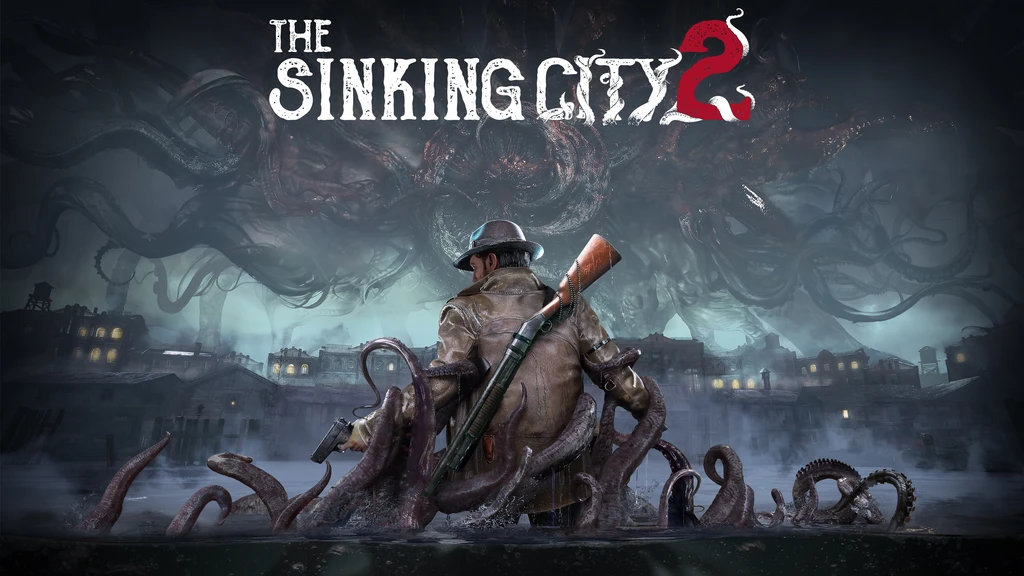
The Sinking City arrived in 2019 with an intriguing mystery and solid action-adventure foundations, but a real-world dispute between developer Frogwares and its publisher soon overshadowed its fictional horrors. The fallout disrupted the game’s availability until 2024, before a 2025 remaster gave it a fresh start. Now, Frogwares returns to those murky waters with The Sinking City 2, launching this year on PlayStation 5, Xbox Series X|S, and PC. With another narrative-driven descent into Lovecraftian horror, can the sequel build on the original’s promise and establish a legacy of its own? Read on to find out!
Instead of continuing from where Oakmont left off, The Sinking City 2 moves a bit further along the New England coast to Arkham, a name which will be known to anyone who has even a slight acquaintance with H.P. Lovecraft’s stories. It is the year 1929 and the city is disappearing under a flood which no meteorologist could account for, the last evacuation vessels being pulled away as the game begins. Our new protagonist, Calvin Rafferty, is not a detective this time but an occult adventurer of the type who charges in first. He has remained behind for one reason—that is, his partner in both work and in life, Faye Bennett, has ended up in a comatose state as a result of a ritual that had gone wrong, and the only way to bring her back is to complete what the two of them began.
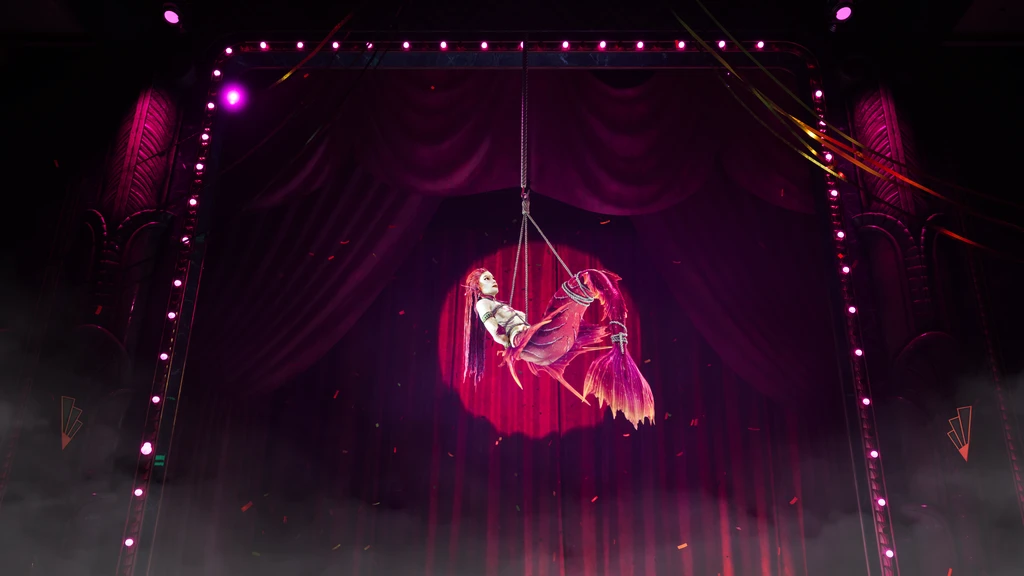
It is a simple hook, and deliberately so, but what makes it work is how much the game invests in the pair. Faye isn’t absent from the journey either, with her consciousness tagging along through a rather ominous mask, and the history between them is fed to you gradually through their conversations, flashbacks, and the odd argument. On paper, Calvin is every inch the pulp adventurer, all bravado and one-liners, but the writing gives him enough rough edges that I found myself rooting for him well before the halfway mark. Not every dramatic beat sticks the landing, and the pair tend to make up after a row faster than the row warranted, but the emotional through-line holds. For better or worse, no knowledge of The Sinking City is required, and it stands as a whole separate story with only a few knowing nods towards the last one.
The story genuinely earns its keep in how it handles the Lovecraft of it all. This game clearly adores its source material, with plenty of references tucked away for those who know their Miskatonic from their Innsmouth. Yet, it shows admirable restraint in when it chooses to put the big names on the table. When one is finally uttered, it carries weight rather than being sprinkled about as set dressing. Much of the world-building happens in the optional trinkets that you can choose to hunt for or not: notes left behind by those who fled, radio broadcasts crackling away in empty rooms, and the handful of eccentrics who refused to board a boat. While perhaps not an unfamiliar addition for any fan of the genre, it offers plenty of richness if you take the time to enjoy the extra bits and pieces.
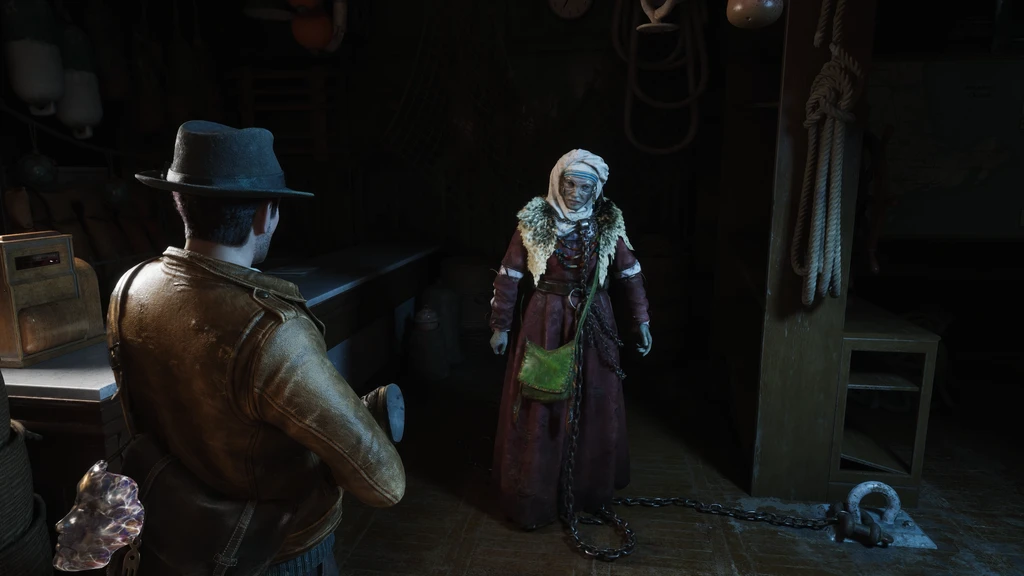
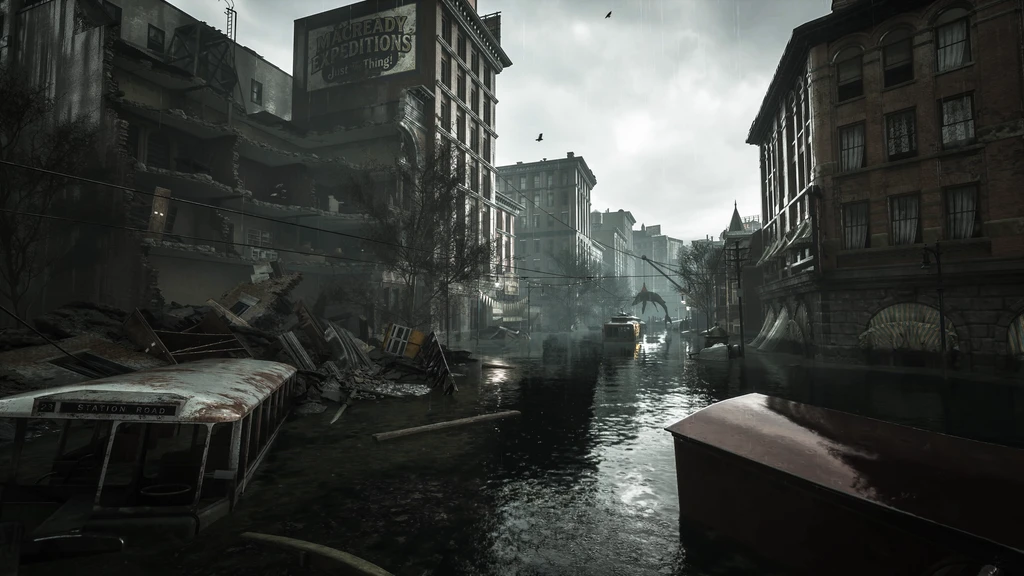
In terms of appearance, The Sinking City 2 is by far the best-looking game that Frogwares has made, at least when it comes to the world. Arkham is a beautifully bleak place to spend a dozen or so hours in, the rain-wet streets giving way to flooded lobbies, the hospital being just as uninviting as it should be and all the other features one would normally expect from a game based on Lovecraftian themes. Each chapter has its own particular charm, and the large amount of environmental storytelling included in each location gives a reward to those who take the time to notice everything. The creatures are also grotesque in the right way.
The problems become apparent as soon as the camera focuses on a human face, since the character models appear to be a little lower in quality than the environments they are in; the facial animation seems stiff, and the lip-syncing often fails to match the dialogue, even though a great deal of emotional weight is placed on Calvin and Faye. Technically, however, the PC version ran smoothly on my recently upgraded system throughout most of my time using it, with only occasional dips.
The audio, in contrast, is nothing short of excellent. This game realises that a great deal of horror resides in the ears, and the sound design is responsible for a large part of the atmosphere. Rain beats hard against the windows, water sloshes around your boots in each flooded corridor, and the slimy, twisting sound of the Slither is unpleasant in the most desirable way, especially when it comes from somewhere just out of sight. The music itself remains in the background, consisting entirely of low drones and unsettling textures, and although it does its job well, I am unable to hum a single piece of it at this moment. The voice acting lies somewhere in between; the way it is delivered has a theatrical and slightly hard-boiled feel which fits the 1920s setting, and the two main characters manage to convey the depth of their relationship even though the animation isn’t helping them out. The problem is that Faye has a lot to say once she joins you, and her constant commentary can become a bit grating.
If someone had hoped for another instance of the open-world investigation from the first game, they might have to make a small adjustment to their expectations, since The Sinking City 2 is a completely different sort of experience. In its place there are no extensive streets or the option of carrying out investigations at your own discretion, but rather a linear, chapter-based survival horror game. The camera is positioned over the shoulder, the maps are full of locked doors that require the correct key, safe rooms contain a storage chest and a spot where you can make adjustments to your equipment, and crafting allows you to turn the scrap items you’ve gathered into ammunition and medicine—indeed, the map colours the rooms depending on whether or not you’ve cleared them. You will still have to get into a motorboat when moving from one location to another, but it now acts simply as a means of transport and sailing it is much less of a hassle than before. Just one caution: each chapter is a one-way journey, and the game is a bit unclear about when you are about to reach the point of no return.
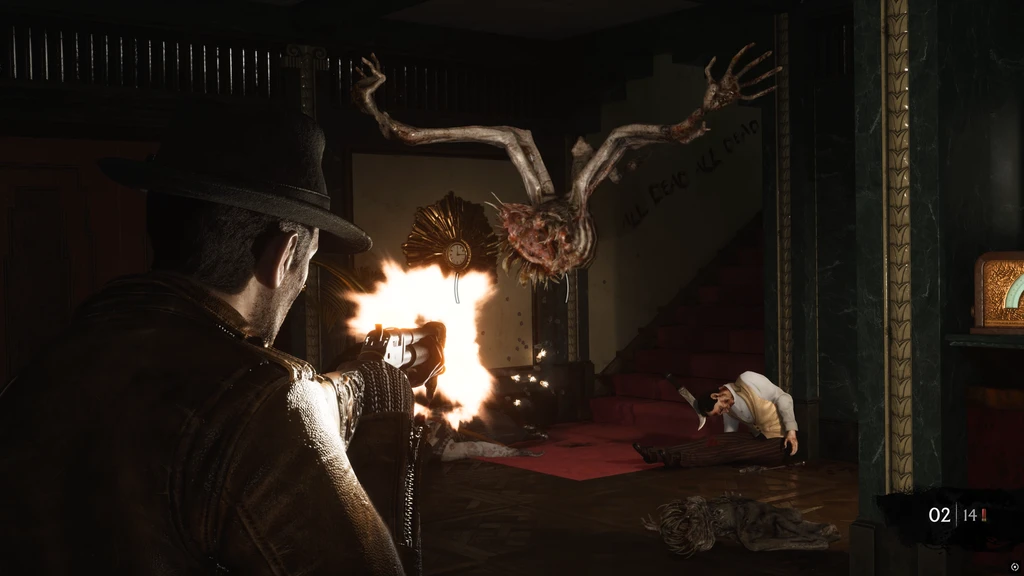
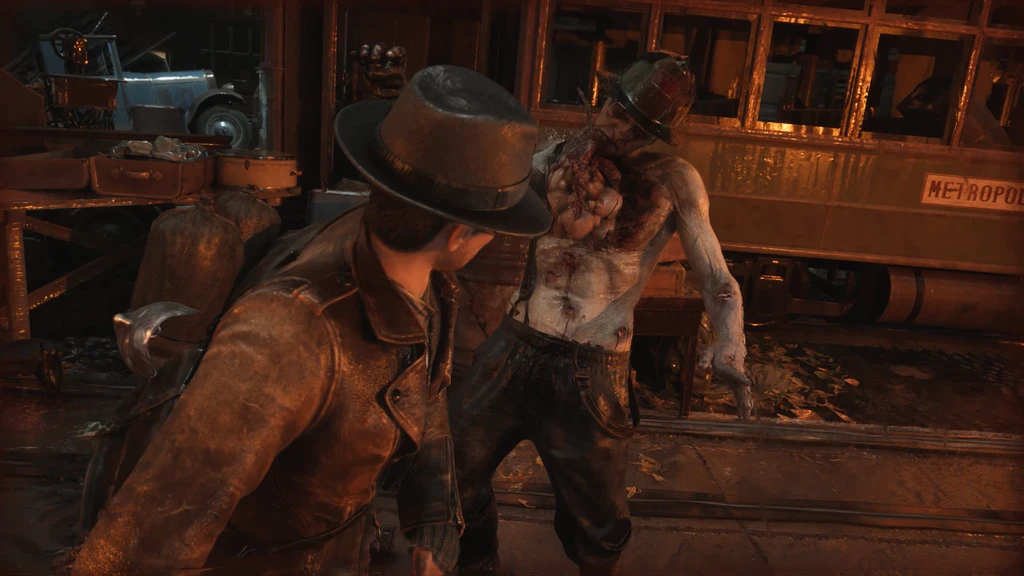
Combat is where opinions will split the sharpest on The Sinking City 2. On the positive side, it is a marked improvement over the original. Aiming is responsive; there is now a proper dodge, and enemies sport glowing weak spots that reward accuracy. At the same time, the Slither themselves will wriggle free of a felled body and burrow straight into the next one, hauling it upright again, unless you take the time to stomp them flat. Your arsenal grows across the campaign from a pistol to a shotgun, rifle and submachine gun, each of which can be upgraded through parts found off the beaten path, though the grenade launcher that arrives late proves next to useless. Ammunition is scarce enough that every encounter becomes a small calculation about whether to stand and fight or leg it, and that push and pull is the best thing about it.
The rough edges are in the feedback and the friction. Shots rarely feel like they land with any weight, the melee swing leaves Calvin wide open for far too long, and the dodge is inconsistent enough that some enemies track straight through it. Inventory space is stingy to a fault, with key items and weapons gobbling up slots that you will desperately want for supplies, and the amount of doubling back through areas where enemies have quietly repopulated wears thin.
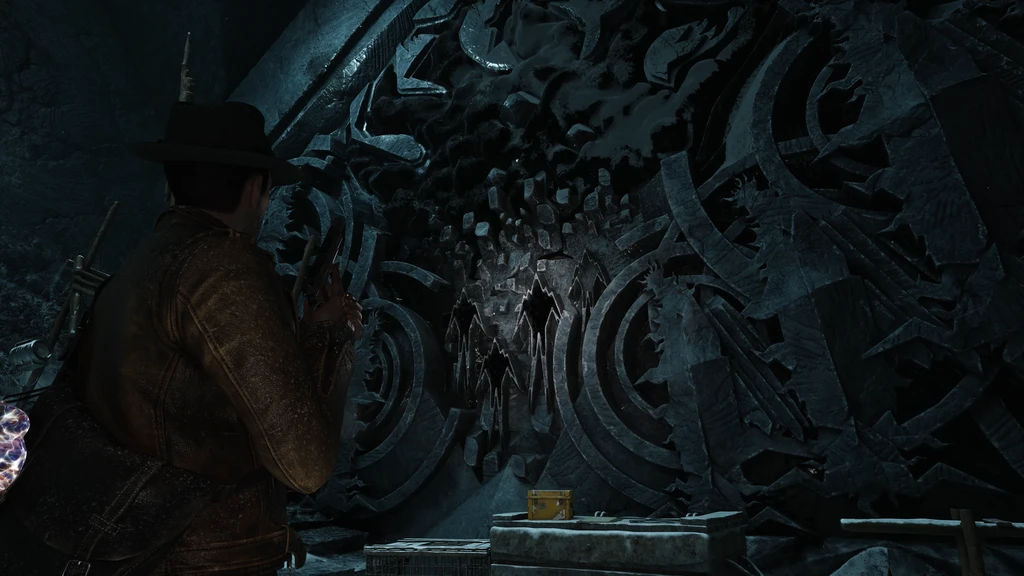
Although Frogwares has taken The Sinking City 2 even further down the path of survival horror than before, the investigative aspect has not completely disappeared. Because of the puzzles and the opportunity for exploration, I remain engaged. The old mind palace has now been reduced to an investigation board, on which clues collected during a chapter can be connected to guide you towards safe combinations, hidden caches and sometimes a story revelation. Most of the brain teasers are on a mild level, with a few exceptions in certain cases.
Yet the trouble to explore every corner is worth while. Optional puzzles give you weapon components and bag expansions, and by connecting the clues together with a series of in-game achievements you obtain a form of currency which is then used in a four-slot talent system giving passive bonuses such as reload speed, damage resistance and crafting efficiency. Four combat difficulties are available, one of which allows damage to be switched off completely for players who are only interested in the story, and I recommend normal or higher for anyone who is familiar with the genre. In total, my playthrough took about a dozen hours, a duration that seems appropriate for the game’s design even though the credits came earlier than I had hoped. Nevertheless, a New Game+ mode does become available immediately afterwards, carrying over your talents and providing the only practical way of filling the talent tree completely.
So, can The Sinking City 2 build on the promise of its predecessor and stand on its own two feet? For the most part, yes, though it takes a very different route to get there. Frogwares have swapped a sprawling but uneven detective adventure for a leaner, more confident survival horror outing. While the combat still has some way to go and the character models betray the budget behind them, the atmosphere, sound design and central love story are strong enough to carry it through. Given everything the studio has endured between the first game’s troubled release and this one’s arrival, it is a testament to their persistence that the sequel is not just here, but is their most polished work to date. The murky waters of Arkham may not run as deep as those of Oakmont, but they are far more worth wading into, and I am keen to see where Frogwares sails next.
Final Score for The Sinking City 2
This review was conducted on a PC version of The Sinking City 2. A review code was provided by Frogwares to facilitate this review.
The Sinking City 2 is now available to purchase on PC, PlayStation 5 and Xbox Series X|S.

