
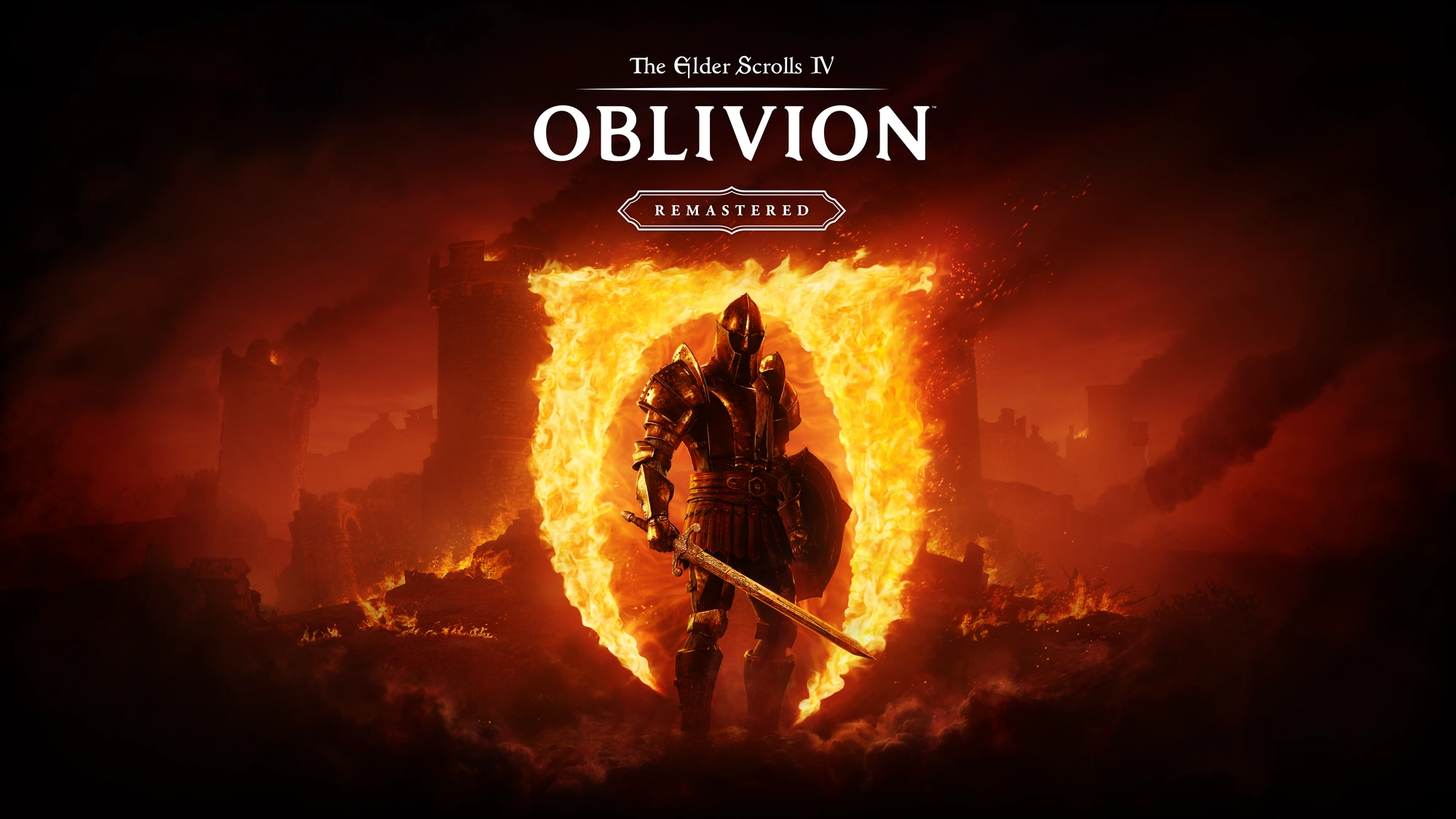
With The Elder Scrolls V: Skyrim being released in 2011 and re-released across three console generations, many PC spec upgrades and multiple versions, it is somewhat challenging to imagine a time when that game in particular wasn’t Bethesda Softworks’ flagship. Released in 2006, The Elder Scrolls IV: Oblivion very much served as the foundation of what was to come – and being a poor high school student at the time – I have many memories of borrowing a copy from my local library to load up on my underpowered PC, diving into the world of Cyrodiil and the many mysteries it held. From having play sessions seemingly ended by accidentally stealing a minor item to a store to some weird glitches, bugs and oversights, its flaws were counteracted by an enjoyable combat system, some intriguing lore, and an active modding community that let community creativity thrive. In a somewhat surprising announcement a few weeks ago, it was confirmed that the game would be immediately receiving a remastered version – The Elder Scrolls IV: Oblivion Remastered, bringing the original game to new systems with improved visuals and a range of graphical improvements… perhaps keeping the game alive for another decade or more. Co-developed by Virtuos and Bethesda Game Studios, how does this remaster fare? Read on to find out!
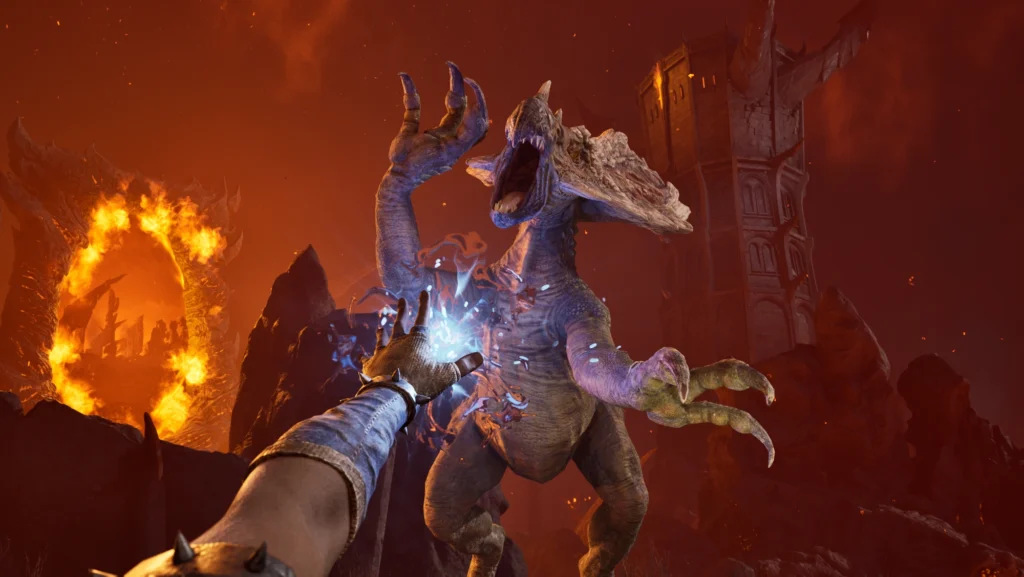
For its time, Oblivion’s narrative always balanced the grand stakes of its main questline with the personal freedom to break out and forge your own story – even if all steps eventually lead to the same destination. You begin life as a nameless prisoner, uncannily spotted in an emperor’s prophetic dream, and from that humble escape through the sewers, the storyline splinters into a tangle of guild intrigues, Daedric bargains and pocket-sized moral quandaries. Outside of a few points in the game, you are not hand-held through how you get from Point A to B, and whether you spend hours unravelling the Mythic Dawn conspiracy or wind up head-first in the Thieves Guild after lifting the wrong silver plate, the world is yours to explore. However, one thing remains true – Cyrodiil is under threat, and you, willingly or not, are the last bulwark against the demonic invasion spilling from the Oblivion Gates. It’s a script that is oddities, earnest performances and the occasional lore dump, and while the narrative experience of games has upped the ante over the past two decades, there is still much to enjoy.
With this being The Elder Scrolls IV: Oblivion Remastered rather than a complete remake of the game, Virtuos and Bethesda haven’t meddled with what worked prior. The game may feature improved visuals, fixes to some gameplay systems that previously relied on the modding community to resolve, and some new voice lines have been added to make the world slightly less samey-sounding. However, Uriel Septim still meets his fate in the prison tunnel; Martin is still the reluctant heir, and both Expansions serve as rewarding side-tracks to the main narrative’s pacing. This fidelity is both a blessing and a curse. Long‑time fans will relish the authenticity, right down to NPCs serenely walking into walls mid‑conversation. At the same time, newcomers may wonder why a game that now looks close to the current gen still leans on early 2000s staging (for which I say, look at the game’s title again). I am glad the team resisted the lure of sweeping edits. The narrative of Oblivion was never broken, nor did anything need refinement; it merely required a clearer window through which to view it, which is precisely what this remaster provides.
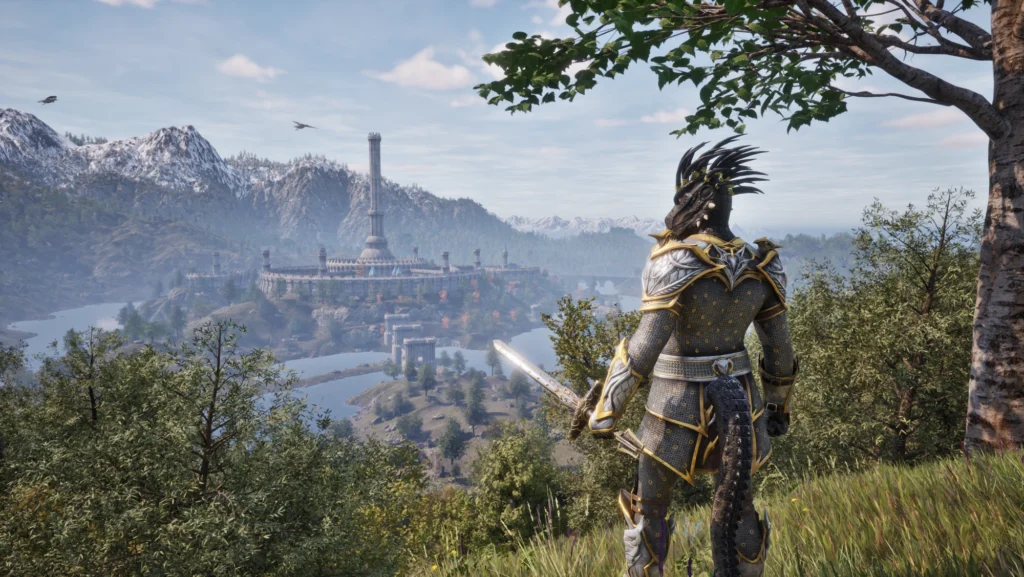
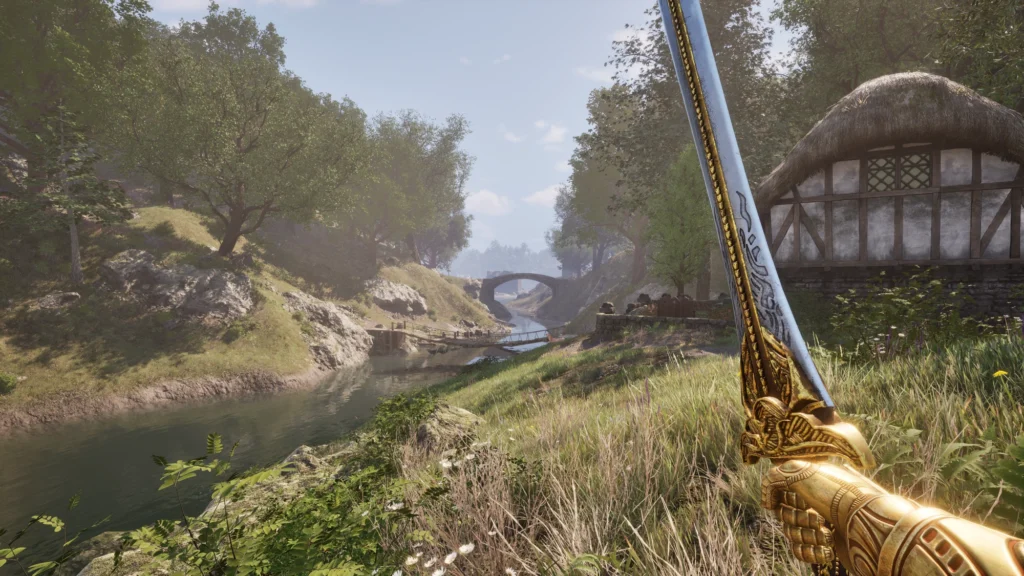
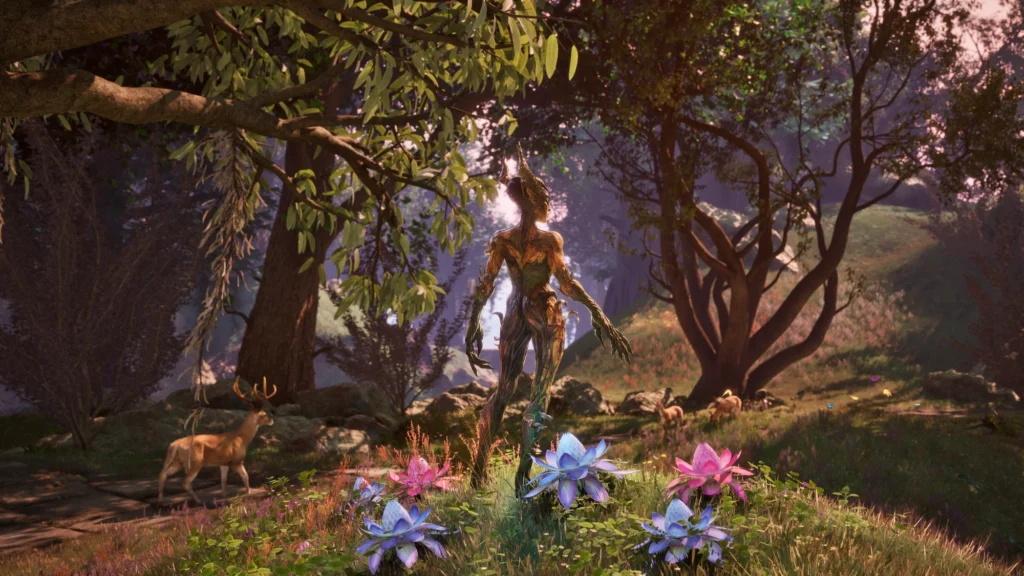
Visually, The Elder Scrolls IV: Oblivion Remastered, to some degree, serves as a masterclass in incorporating modern tech over the design approaches of decades ago. Cyrodiil’s rolling hills now bloom with thick foliage, caves drip with glistening minerals, and the Imperial City finally looks like the beating heart of an empire. New PBR textures and ray‑traced lighting pay immediate dividends, and for the first time in a while, I found myself stopping and admiring the vistas. Characters benefit, too, trading the infamous potato faces for more expressive models with believable skin and fur shaders. The reworked UI inherits Skyrim’s slick iconography yet keeps Oblivion’s parchment aesthetic so menus feel cohesive rather than grafted on. Performance is the only caveat; while interior spaces run at a rock‑steady frame rate, the overworld can still stutter unpredictably – which, as someone who prefers to play Skyrim with dozens of mods active at once… made me feel right at home.
Jeremy Soule’s sweeping score remains the beating heart of the experience in The Elder Scrolls IV: Oblivion Remastered, and like in the original release, is as essential to the game’s identity as its world-building and gameplay experience, and while remastered retains the style and wanderlust of the original. Sound effect changes are also welcome, giving melee swings and spell impacts that extra oomph and impact – like your protagonist and NPCs are actually putting their backs into combat. Voice work is likewise a careful restoration. Patrick Stewart’s measured gravitas and Sean Bean’s earnest warmth are preserved. At the same time, the creative team have slipped in new recordings for Khajiit, Argonian and incidental townsfolk to break up the once repetitive NPC chatter – with new voice lines bringing back a variety of Skyrim alums. Levels have been balanced so that dialogue sits comfortably above ambient noise. Yet, the occasional stilted delivery or abrupt conversation pivot survives, including a meme-worthy ‘second take’ still being included in a voice line, which got a little squee from me – an audible reminder that some treasures are best left a little tarnished.
The most obvious shift for moment-to-moment play in The Elder Scrolls IV: Oblivion Remastered is how much faster everything feels. A dedicated sprint key finally lets you bound across open fields instead of bunny‑hopping everywhere, and with stamina draining only while the button is held, it becomes second nature to toggle between a jog and a flat‑out dash. The extra speed re‑contextualises dungeon layouts, too, trimming the slower sections of the original without damaging their exploratory pull. Paired with a streamlined clairvoyance spell that paints a faint trail towards your active objective, traversal is friendlier yet never hand‑holds, respecting those of us who still prefer to go off‑piste and mark the map by curiosity alone.
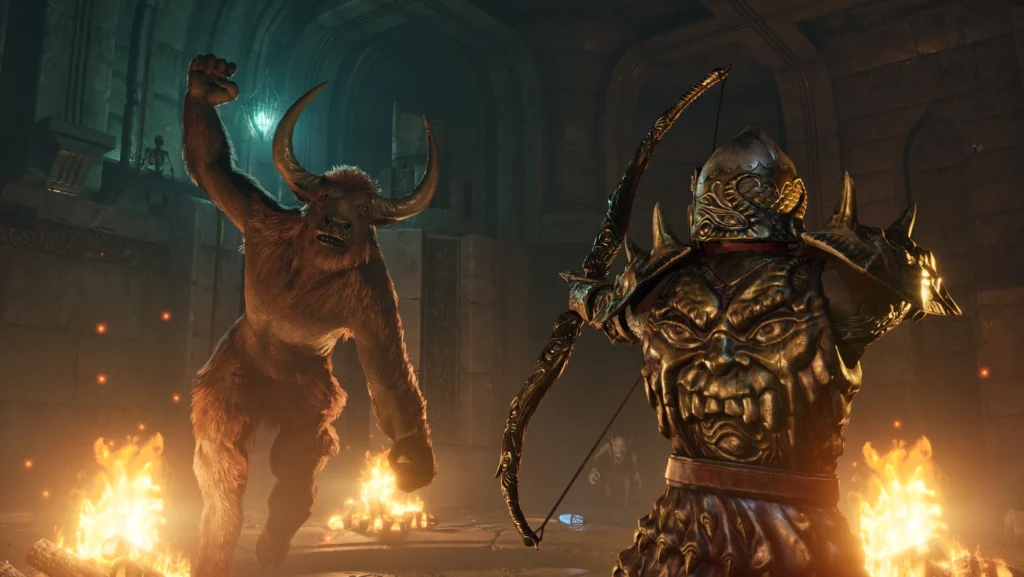
Combat sits in a middle ground between vintage jank and modest modernity. Weapon swings now cause enemies to flinch and spark, arrows thud with a gratifying crunch and spell effects bloom with particle-heavy flair. The underlying timing and hit detection remain faithful, so veteran muscle memory transfers directly. However, newcomers will appreciate subtle improvements like auto‑aim assistance and the option to queue a power attack from a sprint. The sense of weightlessness has not changed when blades collide, or shields connect, an unavoidable relic of the Gamebryo skeleton. That said, the revised third‑person camera makes melee far less disorienting, letting you track your opponent without the old elastic sway.
Character progression in The Elder Scrolls IV: Oblivion Remastered has been refined through a hybrid levelling model. Major skills still form the backbone of your class identity, yet minor skills now contribute partial experience, reducing the shock of accidental level‑ups that previously risked leaving you underpowered. Attribute gains on rest are more generous, encouraging experimental builds instead of spreadsheet planning. Despite this polish, the notorious world scaling system lives on. By the mid‑game, highwaymen cheerfully mug travellers in glass armour and dungeon fodder sports Daedric steel, forcing you to keep pace or lean on difficulty sliders. It is authentic, but it is one of those approaches that needed a significant overhaul.
Quality‑of‑life tweaks round out the overhauls in The Elder Scrolls IV: Oblivion Remastered. Containers flag as empty once searched, the sneak eye is clearer at a glance, and alchemy ingredients are guaranteed to harvest, stopping that awkward plant‑mashing shuffle. Meanwhile, as someone who likes to collect many a trinket, over‑encumbrance slows you to a walk rather than rooting you to the spot, as was the case with the original release. These refinements accumulate into a smoother ride, making it easier to appreciate why Oblivion’s sandbox loop still endures long after Cyrodiil’s gates first swung open in 2006.
The Elder Scrolls IV: Oblivion was my first venture, not only into The Elder Scrolls universe but Bethesda Softworks as a whole – and I still consider it a golden albeit somewhat underappreciated gem among their modern games. The Elder Scrolls IV: Oblivion Remastered allows the game to shy, and while a remake from the ground up would have been welcome, it will enable the classic experience to thrive for another decade plus. I am impressed by how well Virtuos and Bethesda have preserved what mattered while sanding away just enough rough edges to make Oblivion palatable in 2025. The core tale, the sprawling side quests and the delightfully clunky personality are intact yet heightened by a visual overhaul, speedier traversal and a clutch of sensible quality-of-life tweaks. Performance quirks and lingering balance issues keep the remaster from outright eclipsing memory. Still, they also remind me why the original inspired such a devoted modding scene in the first place.
If you, like me, once explored Cyrodiil on a wheezing rig, this release is a welcome chance to rekindle that sense of wonder. For newcomers willing to forgive a slight vintage oddness, it remains one of the most generous and imaginative RPG sandboxes, and now it finally looks the part.
Final Score for The Elder Scrolls IV: Oblivion Remastered
This review was conducted on a digital PC copy of The Elder Scrolls IV: Oblivion Remastered. A code was provided by Bethesda ANZ’s public relations team to facilitate this review.
The Elder Scrolls IV: Oblivion Remastered is now available on PC, PlayStation 5 and Xbox Series X|S.

