
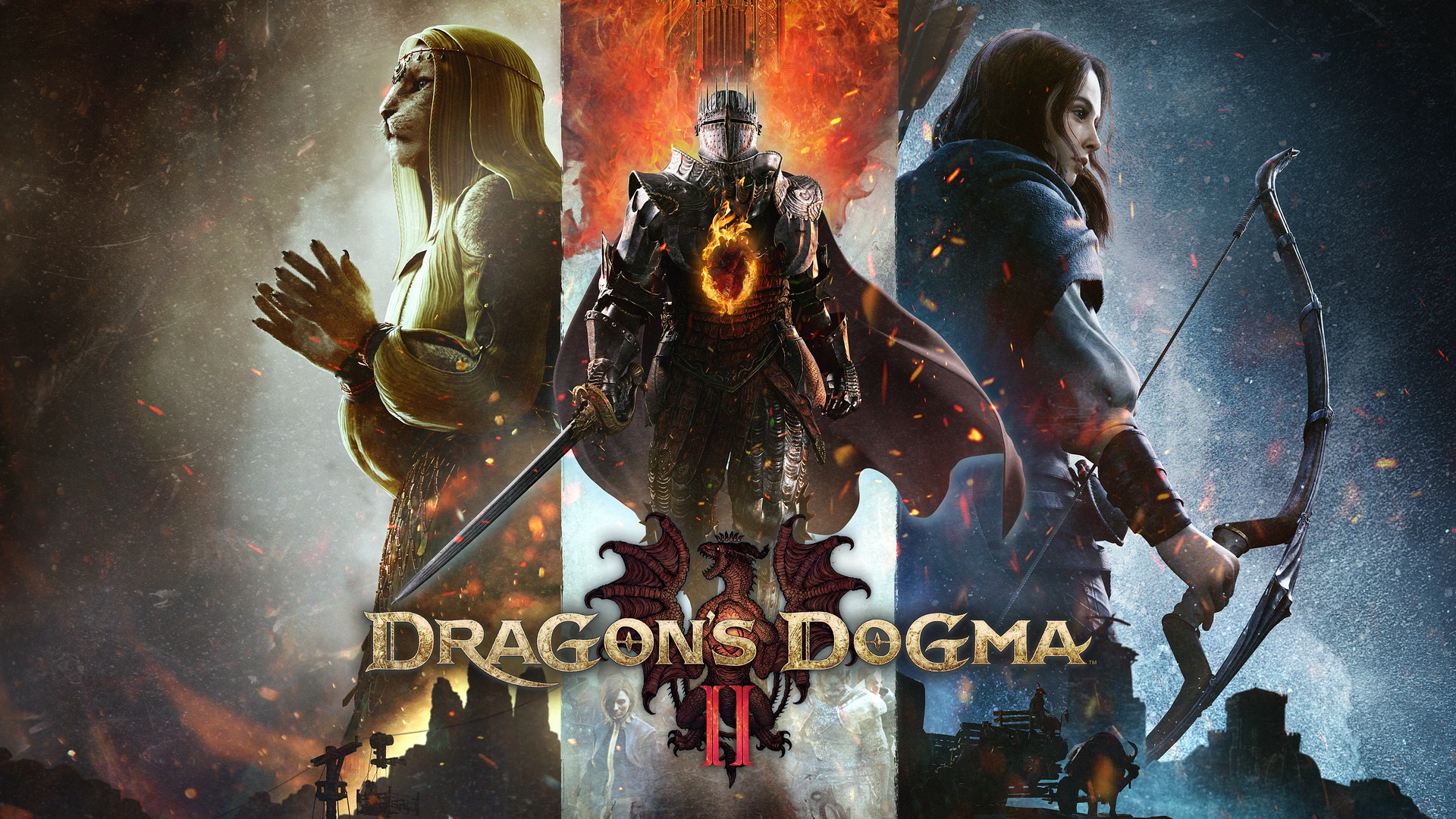
When Capcom first released Dragon’s Dogma on the PlayStation 3 and Xbox 360 in 2012, it immediately became a surprise hit among gamers. I had randomly bought it on the day I submitted my master’s dissertation, expecting some simple fun to keep my mind occupied for a few hours. However, those unassuming first impressions quickly bloomed into something unique. It was not another dime-a-dozen open-world fantasy action-adventure games that were popping up at a time when Skyrim was the gold standard of gaming. Its appeal came from several features: the clever implementation of its AI party member system (Pawns), which provided combat support and banter on long trips; addictive and approachable combat spanning physical, ranged, and magical damage; and memorable boss fights that involved tackling intimidating foes as a team. It was a fun experience, one which I have found myself repeatedly returning to. Unsurprisingly, more than a decade later, Capcom is back, aiming to replicate or perhaps even surpass the success of the original with a sequel – Dragon’s Dogma 2. While the game’s reception has been, understandably, hampered by discussion of surprise DLC, which can come across as an attempt at making a little extra cash off players who potentially spent over $100 AUD on a game, the end product is a surprisingly good game that builds upon what worked the first time around and built upon it, without falling into the traps that many sequels do.
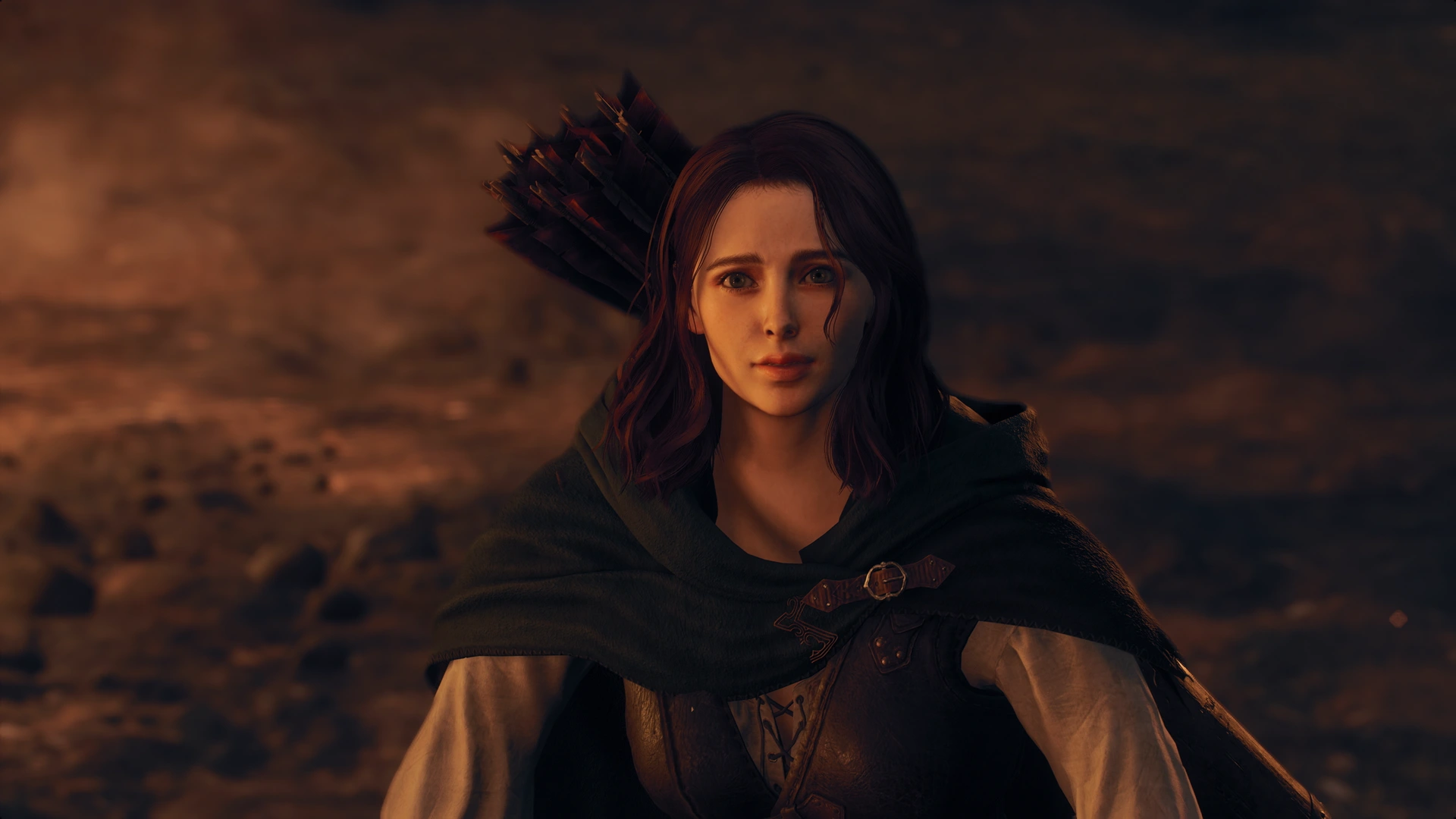
Dragon’s Dogma 2 is set in a new, original dark fantasy open-world. It features two major nations: the human kingdom of Vermund, known for its castles, lush forests, and brick constructions; and the desert nation of the Beastren, called ‘Battahl’, characterized by sand, ruins, and advanced science. The game casts players as their custom character, commonly known as the ‘Arisen’. Unlike the first game where you start as a normal human before having your heart devoured by a dragon to become the fated ‘Arisen’, you start as an amnesiac in a prison among a gaggle of other pawns. Your adventure is not only one of misfortune but one that the Arisen has no memory of being on. Through a series of events, a daring escape ensues, memories quickly unravel, and your mission to take down the dragon continues. But there is more to this story – a royal insurgency, a force capable of controlling and potentially corrupting pawns, towns ravaged by enemies, and a whole lot of mysteries are afoot – and a whole bunch of other questlines should you be in the right place at the right time. You are allowed to follow the quests laid out for you one after the other and explore maybe half of the map. Sure, the game subtly dissuades you from doing this, but if you do so, you only encounter a fraction of what the world has to offer.
Dragon’s Dogma 2 offers a delightful dark fantasy world, brimming with mystery and full of surprises at every turn, whether it is a new dungeon to scavenge for experience and loot, or a new questline that unlocks if you travel beyond where the game directs you or otherwise you are in the right place at the right time. Moreover, quests often feature multiple routes—some visible, some hidden – some can significantly save time, while others might lead to a detrimental outcome if you follow it by the book. Exploration is highly favoured and rewarded in Dragon’s Dogma 2 and is one of those elements I am glad they kept in from the original.
Dragon’s Dogma 2’s combat is undertaken in a party of four members – the player character ‘The Arisen’, their main customisable Pawn, which joins them early in the story, and two additional interchangeable pawns which are typically the main pawns of other players which are routinely uploaded online. The pawns serve as more than mere tag-alongs for the journey – they have a range of different personalities, abilities, knowledge of events that may lie ahead and, most importantly, their vocation. Naught but two of these characters will be with you for the long haul, but in the place of your silent protagonist, they are not generic characters following you aimlessly. They will banter amongst themselves (granted more dialogue options would have been welcome), if they have experienced an event prior they will guide you to it, and sometimes rat out their own ‘masters’ for their party compositions or bedfellows.
One of the key elements that enhances combat is the returning Vocation system. Your main character and every pawn have access to a range of different combat styles: six for pawns and ten for the Arisen. This mix includes returning classics such as the Fighter, Mage, Warrior, and Sorcerer; some revamped classics such as the separation of Archer and Thief roles, and some unique fusion vocations such as the amazing Mystic Spearhand and jack-of-all-trades Warfarer which remain exclusive to the Arisen. Each vocation has its unique pros and cons, and ultimately, some are considered much more valuable for the arisen and their pawns to take up – but if you are willing to adapt then every vocation has its use. Furthermore, some improvements in the complexity of the vocations mean that even the beginner classes can be valuable, such as the Mage being the only class capable of healing – with the ability to specialise (by choosing four usable skills) in either being a more proficient ‘white mage’ or dishing out heavier damage and imbuing the weapons of other party members. Some, particularly the Trickster feel clunky, while the separation between Archer and Thief means that the archer lost a lot of versatility, but there are plenty of options to customise your experience to how you desire.
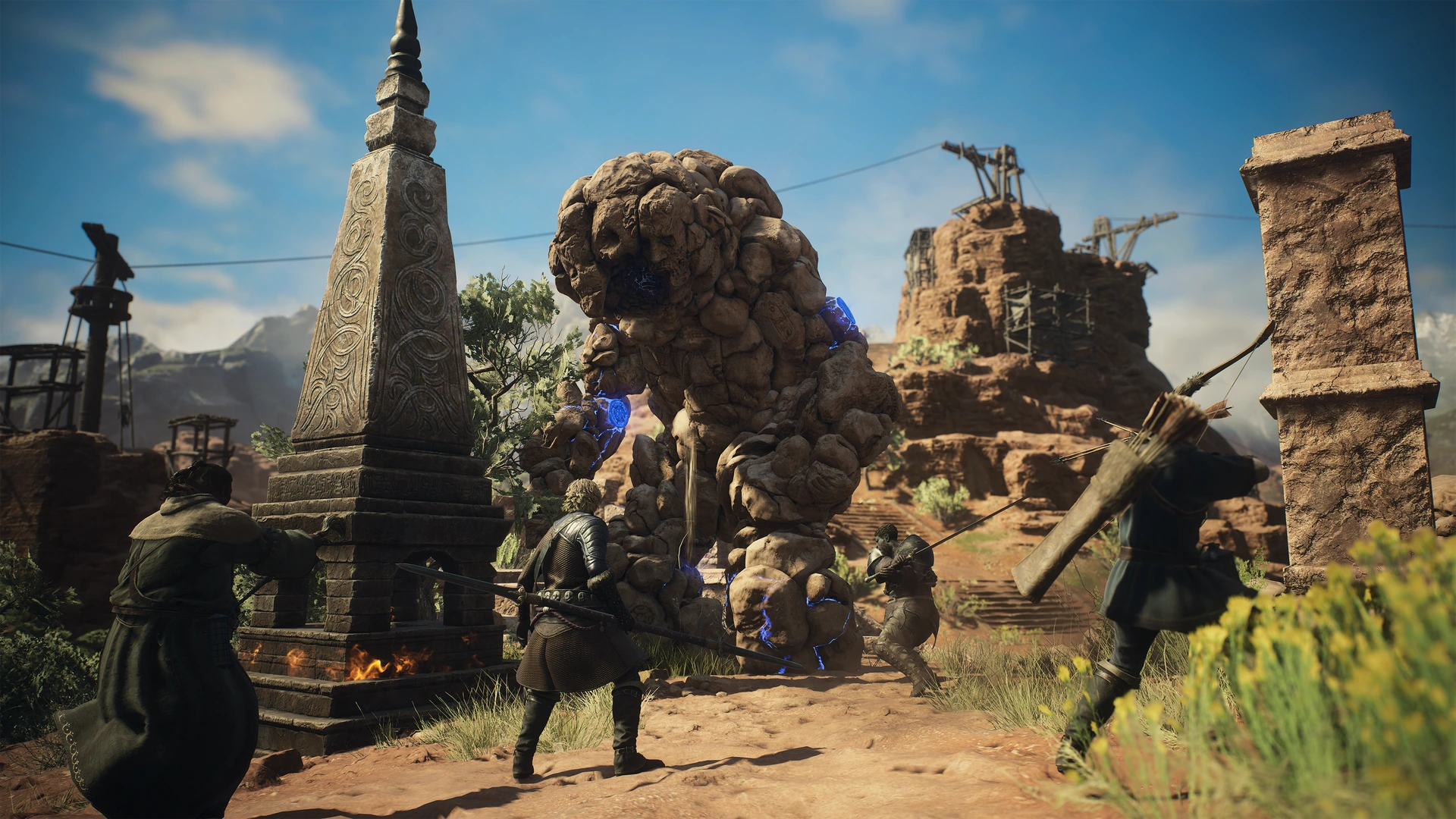
Combat itself is, at least at first, the standard affair you’d expect from any third-person action-adventure game: you wander the world, discover or are discovered by enemies, start a fight in real-time, and one party walks away victorious. Even at the smaller scale, combat is fluid and fun, with the AI pawns holding their own in a fight for the most part and are rarely a burden, allowing you to do your part of the combat and cause direct damage, magical damage or stay afar and use weaponry like ballistas or environmental objects to the opponent’s detriment. But where the game shines is with its larger-scale bosses, and random large-enemy encounters, indicated by having multiple health bars. Typically slashing at their toes will do next to nothing. Instead, identifying weak spots, climbing them, and factoring in the legends and knowledge behind beasties such as Griffins, Ogres, Cyclopses and the game’s dragon-like figures all turn an uphill battle into something fair and rewarding. Furthermore, while each party member has a max health, as you take damage, you will progressively lose your maximum HP cap, recovering it only via rate items or visiting an inn in town. It is another clever albeit frustrating incentive to play safe, lest you end up permanently in low health and only halfway to your destination.
Unfortunately, a few elements from the original game have carried over to Dragon’s Dogma 2, which, in my view, are overly emphasized and detract from the experience. Dragon’s Dogma 2 employs a strict stamina system. Running out of stamina, either through physical exertion or skill use, leaves you vulnerable, often becoming easy prey for a group of enemies or, as I encountered a few times, a fire-breathing drake. Character size significantly affects gameplay; smaller characters have a lower carry weight, risking over-encumbrance with little more than just weapons, armor, and a few trinkets. Although smaller sized characters gain access to faster stamina recovery, which is beneficial for many classes such as thief, such limitations mean that creating a character that closely represents me results in frequent stops and starts when traversing the world.
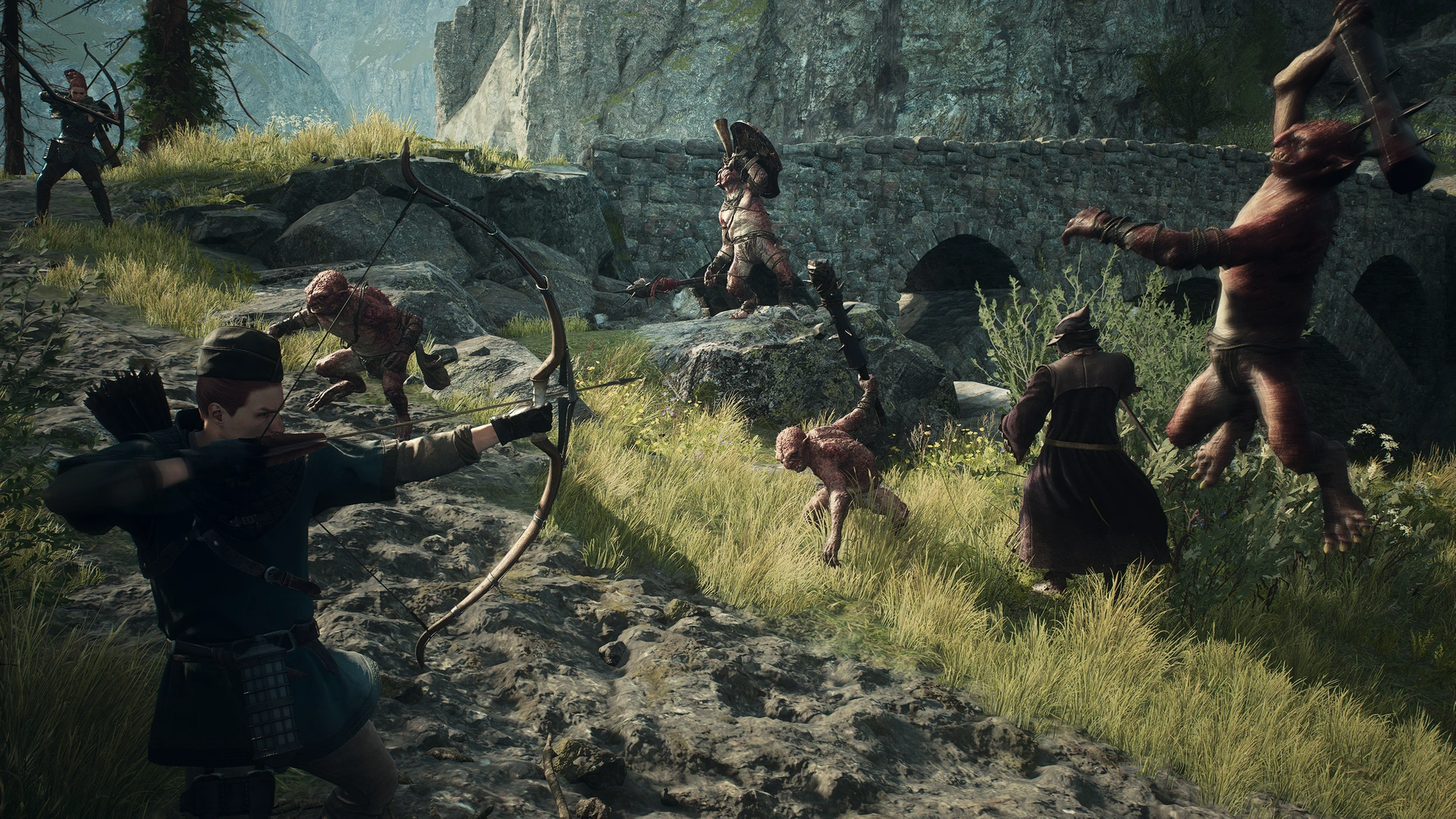
Dragon’s Dogma 2 offers no difficulty options, leaving players to face every challenge as presented. I would argue that in comparison to similar games on the market, the difficulty is between the traditional Normal/Hard setting for other games. Encounters feel balanced; if you can’t defeat an enemy, it’s likely you’ve ventured into that area prematurely and should return later. Additionally, while foot travel during the day tends to be very reasonable, given the game’s day/night system, I found the low visibility and increased monster numbers most certainly upped the challenge. But for the most part, it felt fair, with much more of the anxiety coming from the lack of a small amount of resources you can find yourself with – particularly gold, RC (the currency used to summon Pawns) and other resources such as Wakestones (used to respawn if killed), the latter of which are conveniently available as part of optional DLC.
Similar to Dragon’s Dogma, none of the paid DLC in the game is all that valuable, and at best could be seen as a convenience transaction. While relegated to pre-order bonus stuff, the extra weapons are simply slightly better than base weapons you will outgrow within an hour, and the option to offer horrendously pitched Pawn alternate voices is no more. However, offering things like Wakestones as a purchasable item to revive your character after death understandably doesn’t sit well with many – especially when the alternative in some cases may be to spend hours making it back to a town with minimal health, or lose hours of progress by reverting to your last inn save. But at the very least they didn’t go down the cliche freemium game route of ‘Oh, looks like you have died! Spend $x.xx to be resurrected”. Why would you want to spend money on such options is beyond me, but at least they didn’t go down arguably the worst possible route.
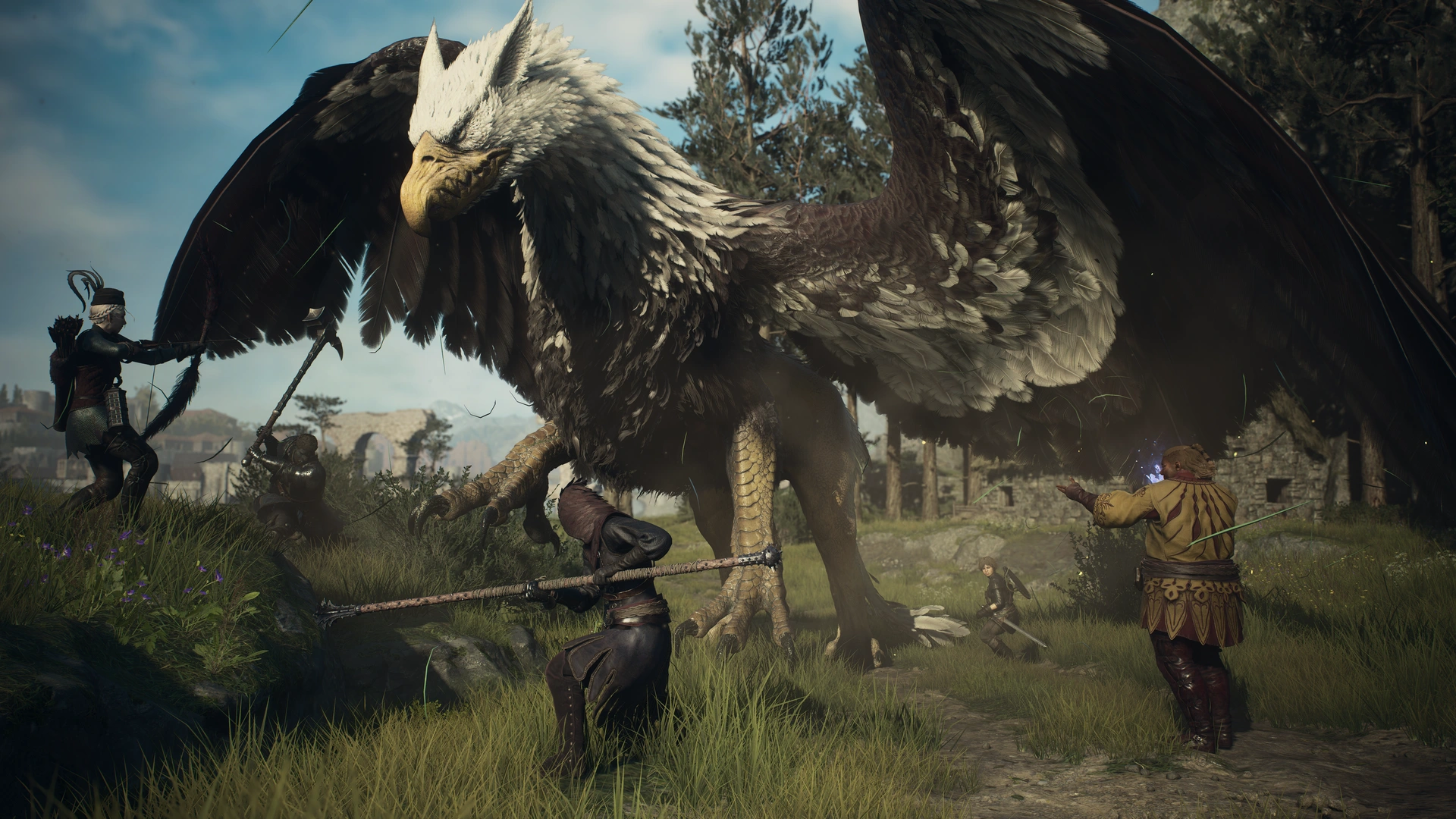
Unlike Dragon’s Dogma, which felt a bit outdated visually upon its release on the PlayStation 3 and Xbox 360 despite some stunning vistas, Dragon’s Dogma 2 may not push the boundaries of graphical fidelity, yet it is well-optimized for the PlayStation 5 hardware and is overall a beautifully designed game. The game incorporates dark fantasy motifs well, with a particular emphasis on lighting. Whether I was trudging through the desert by lantern light at twilight or dashing through a dense forest in the daytime, I often found myself stopping to observe the scenery unfolding from a cliffside, or to appreciate a landmark that in another game may be overlooked. Dragon’s Dogma 2 is about the exploration, and aesthetic charm is one of the ways the development team rewards players who do so. Unfortunately, the Pawn creation system feels a bit clunkier this time around. However, the characters you can create – along with the various NPCs in the game – offer a decent assortment of hairstyles, sliders, and garb to make your character look dashing. Regrettably, the game lacks a ‘costume’ system to separate aesthetic outfits from stat-giving gear, and there is no option to hide your helmet.This could mean that time spent meticulously crafting your characters could quickly go to waste.
Dragon’s Dogma felt like a unique success story, a cult classic where the experience was so distinct, enjoyable, and well received,yet structured in such a unique way that it seemed challenging for a development team to replicate the experience without risking its original charm. I was pleasantly surprised. I’m pleased to see that Dragon’s Dogma 2 retains much of what made the original a strong game, keeping those elements, innovating where necessary to keep things fresh, and taking into account what an extra decade of game development knowledge and system technology makes possible. Is it perfect? No, it can be clunky at times, and there is the risk that following the guided path alone means you’ll miss out on much of what the developers intended to offer. However, by taking your time to explore, you’ll find another rewarding action RPG experience to immerse yourself in for hours on end. In an era often criticized for games that are too hand-holding, it’s refreshing to discover a world filled with mysteries waiting to be discovered
Final Score for Dragon’s Dogma 2
This review is based on a PlayStation 5, physical, copy of Dragon’s Dogma 2.
Dragon’s Dogma 2 is now available to purchase on the PlayStation 5, Xbox Series X and Windows PC.

