
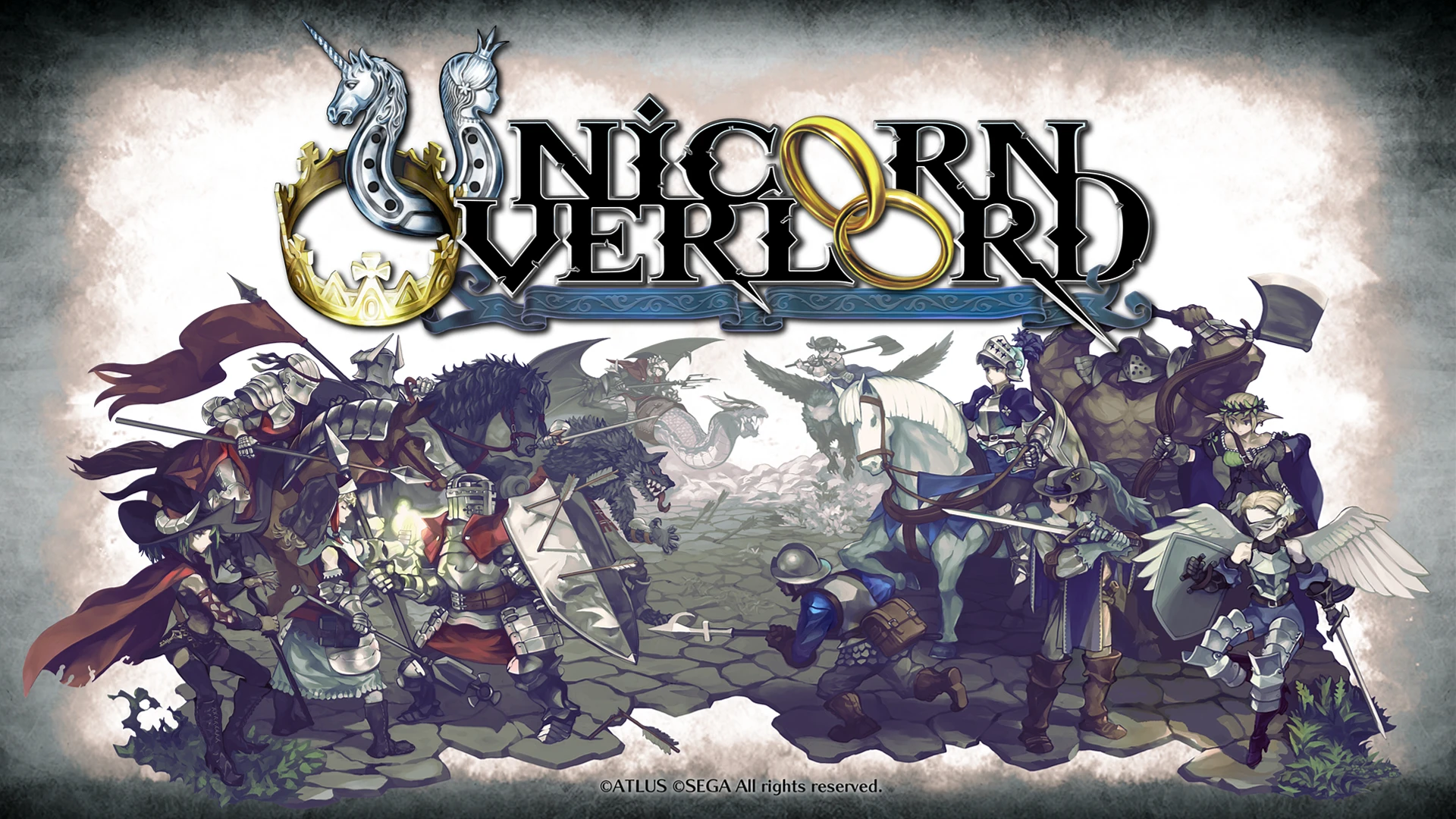
Japanese video game developer Vanillaware is synonymous with gripping fantasy stories, memorable RPG experiences and detailed and creative 2.5D visuals paralleled by almost no other game. We last saw a game from the studio half a decade ago, deviating from their standard approach and offering a modern-day mecha experience instead of the fantasy worlds they often explore. Now in 2024, and as their first offering for modern-day gaming platforms, the developer has collaborated with ATLUS to release Unicorn Overlord, a return to their fantasy roots but with a few changes to set it apart from their other past hits, such as Dragon’s Crown and Odin Sphere. The result was that in a year already featuring many heavy-hitting RPGs, gamers can still look forward to something fresh, building upon the iconic tactical RPG framework with its own unique ideas.
Unicorn Overlord takes place in the fantasy world of Fevrith. Many years ago, the kingdom of Cornia had fallen to a coup led by General Valmore (now Galerius) against its Queen. Many leaders of this kingdom inexplicably joined the rebellion. On its darkest day, with no escape in sight, the Queen entrusts her loyal guard, Josef, to smuggle her son, Alain, out of the kingdom to safety, a mission which proves successful. 10 years later, Alain is now a young man, spending his days hidden away on a remote island away from the influence of the mainland. However, a series of events lead him back to his home country, possessing the Ring of the Unicorn, which can free former allies from the mind control inflicted upon them, with a mission of saving his captured friend, freeing the nations under Galerius’ control, and putting an end to his tyranny.
The narrative of Unicorn Overlord feels right at home with what the developer is known for. Players can look forward to a rich story featuring a sizable cast of characters (some more memorable than others), interesting ideas and more than a few surprises which kept me hooked from start to finish. However, while above passable and overall enjoyable, it didn’t hit the high notes one has come to expect from their other titles and can leave the overall experience feeling more forgettable. Furthermore, the game’s character cast can feel like they are there to pad out your party rather than having much narrative value, and the main scenario is frequently interrupted by sub-plots as you free certain territories, which are good from a gameplay perspective but are typically unimpactful and contribute little to the overarching experience other than highlighting “you need to free this region, they are in trouble”. Essentially, it is a decent experience when you are on the main story questline, but it would have been nice for the secondary events to link the characters and secondary events more into that storyline and have an overarching impact.
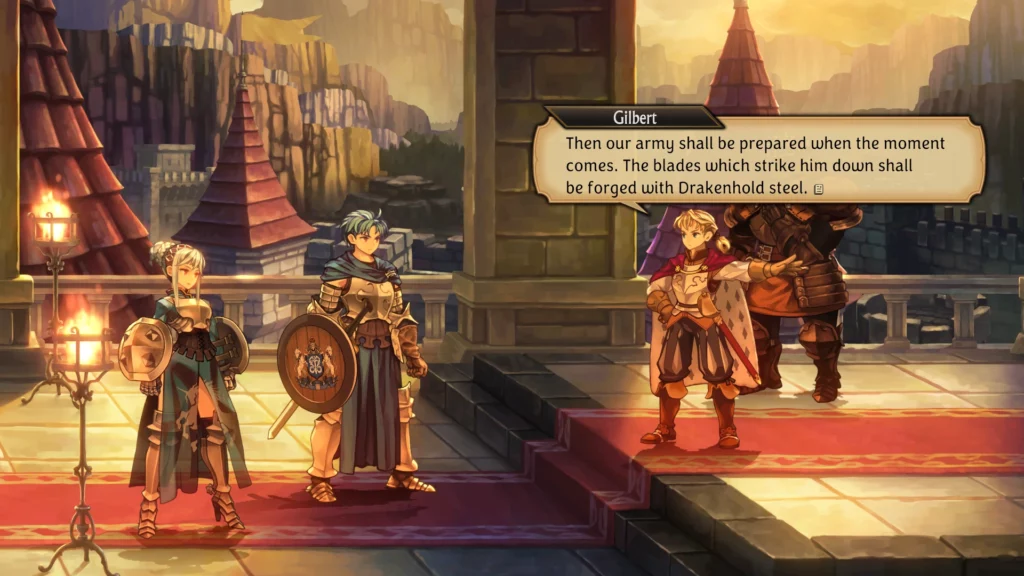
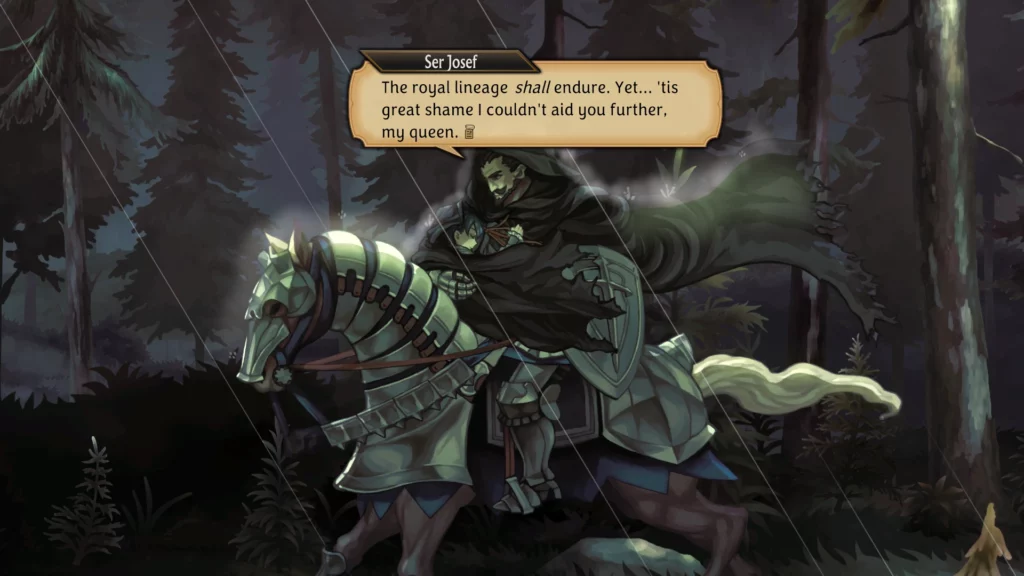
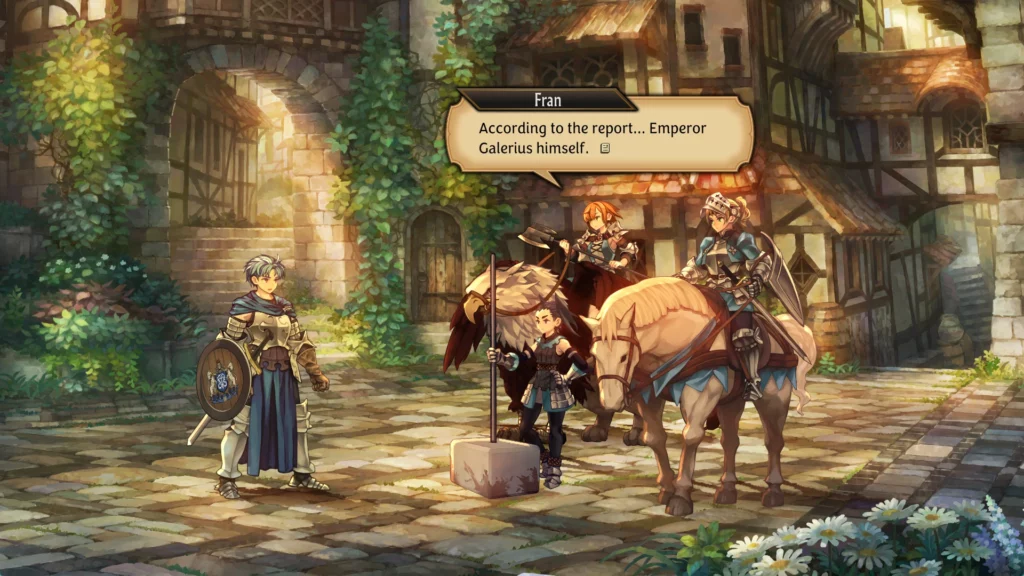
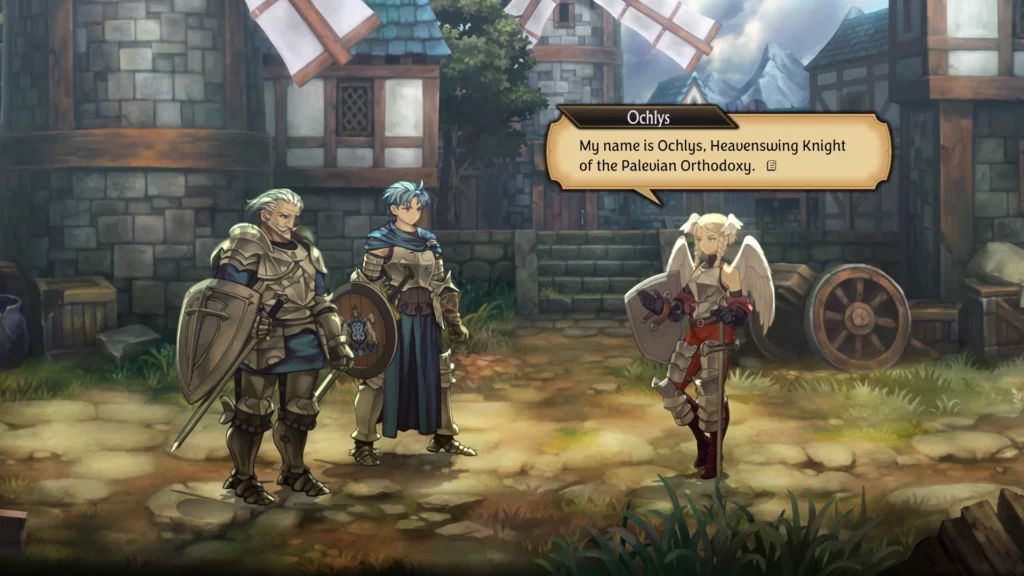
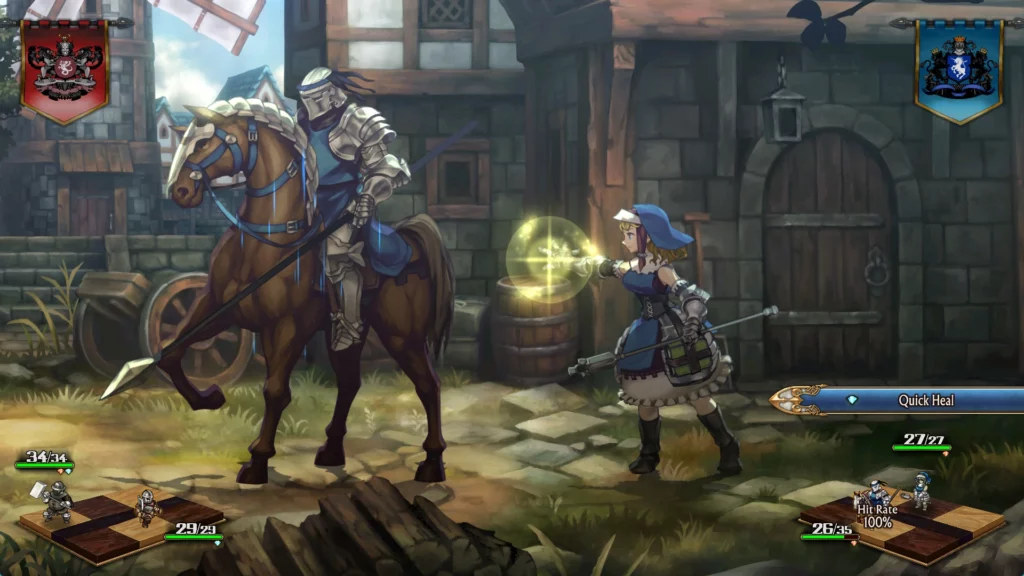
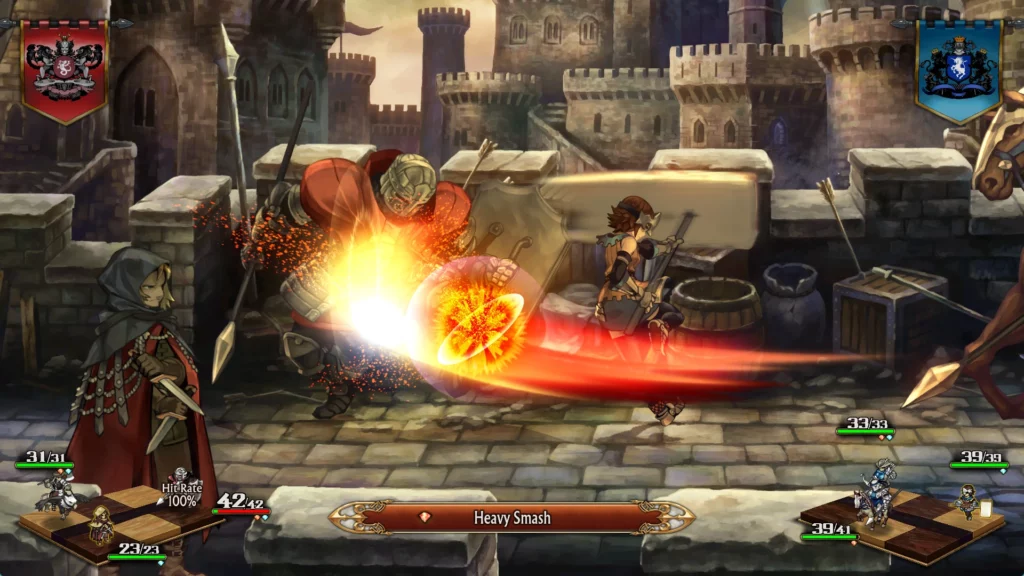
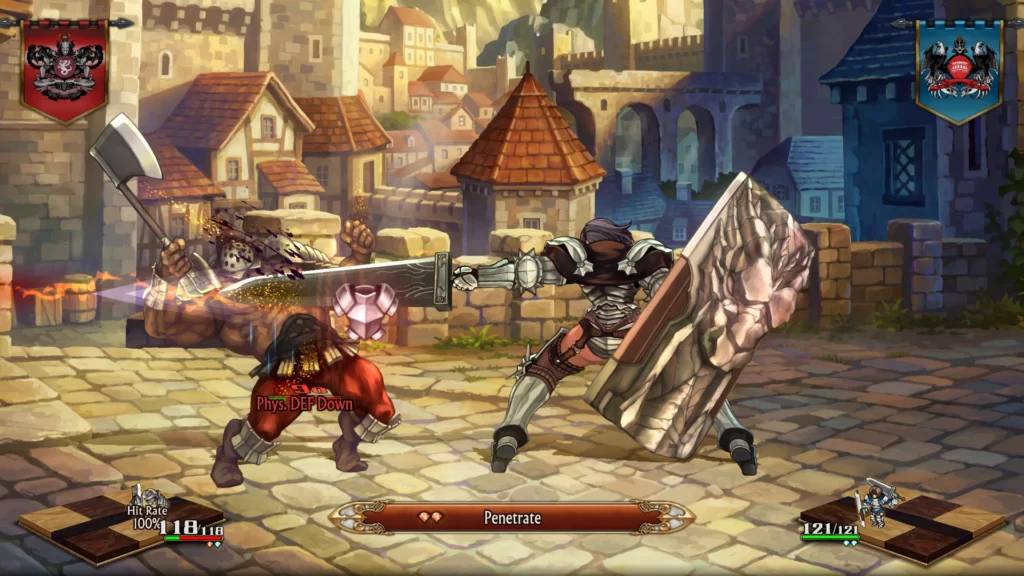
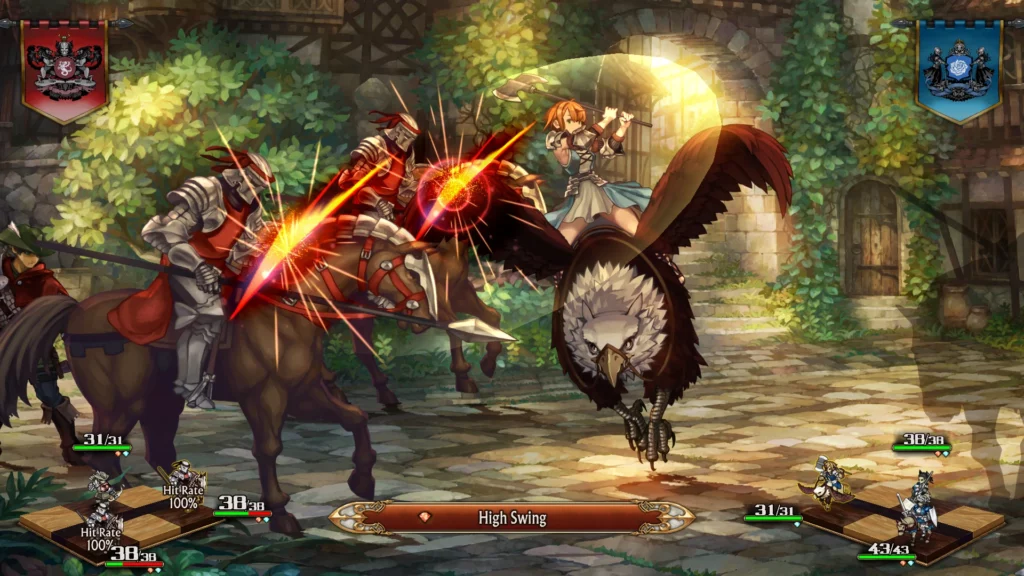
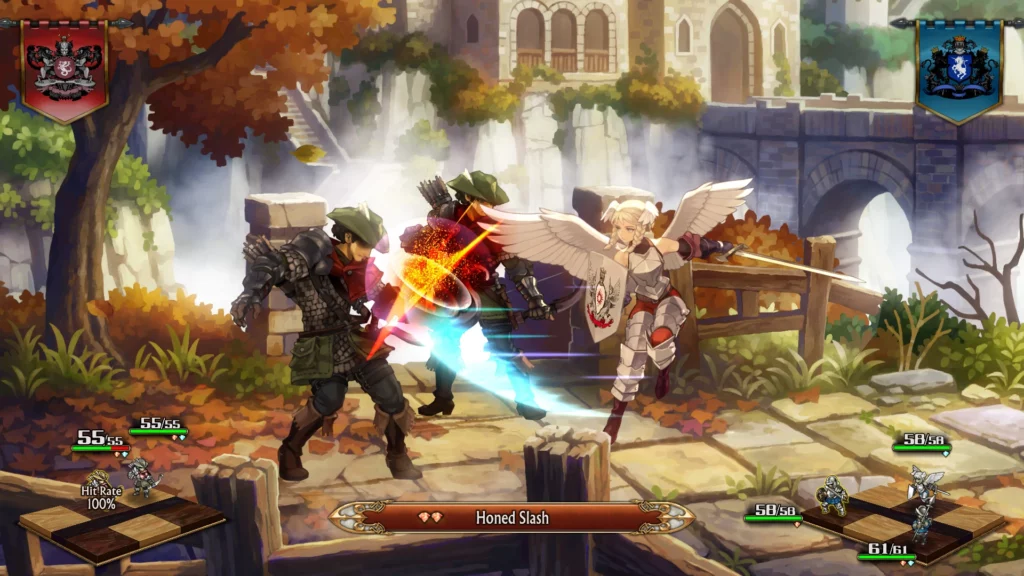
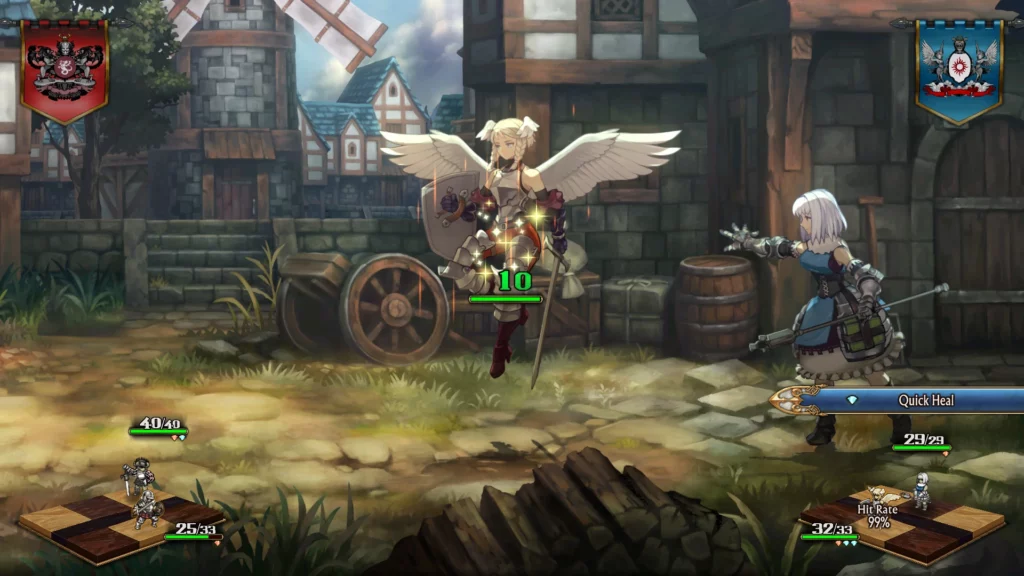
Vanillaware’s trademark style of incredibly detailed anime 2.5D style visuals makes a return in Unicorn Overlord and reinforces why sticking with their aesthetic approach continues to do them service. The overworld map you explore is arguably the most simply designed element of the game, but with enough unique biomes and landmarks that you will never find yourself confused about where in the world you are located. Cutscenes and battles on the other hand take place in the 2.5D environments, featuring richly detailed backdrops and well-animated, anime-style character sprites, with each of the game’s several dozen primary and secondary characters standing out in their own right. I have seen this style of cutscene presented since the PlayStation 1 and PlayStation 2 era of games. While most developers have moved away from this approach, Vanillaware continues to make its designs timeless and modern at the same time.
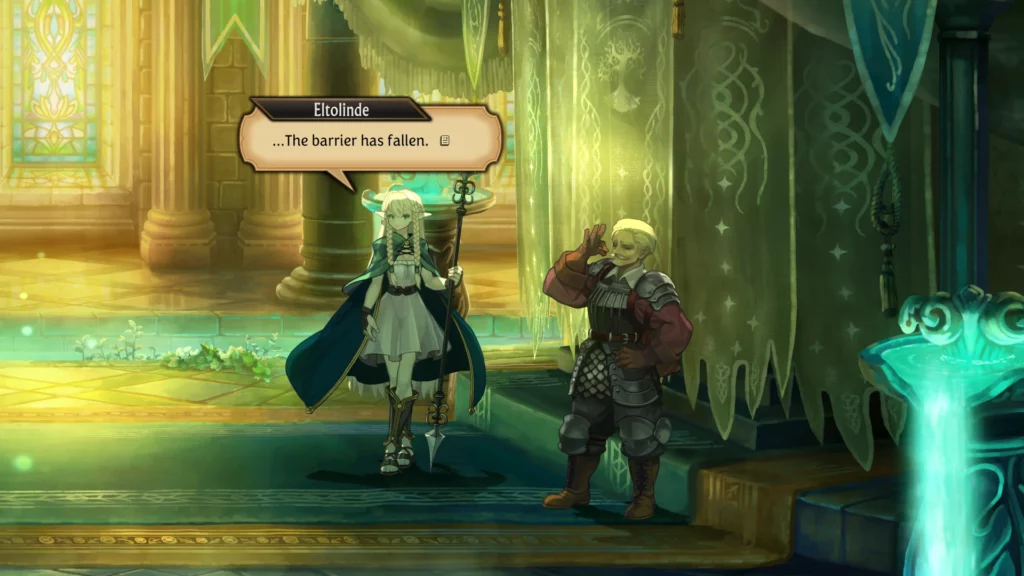
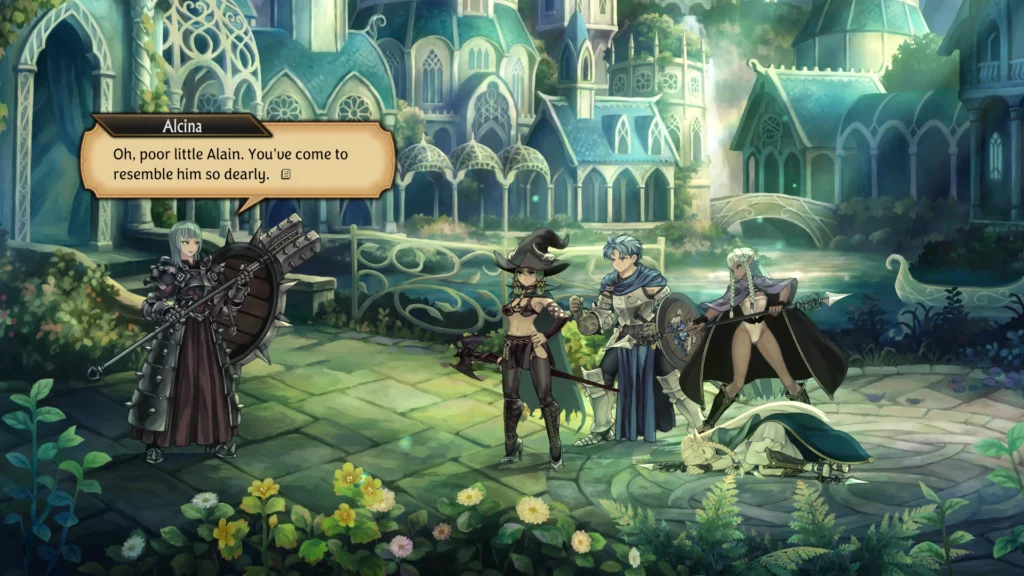
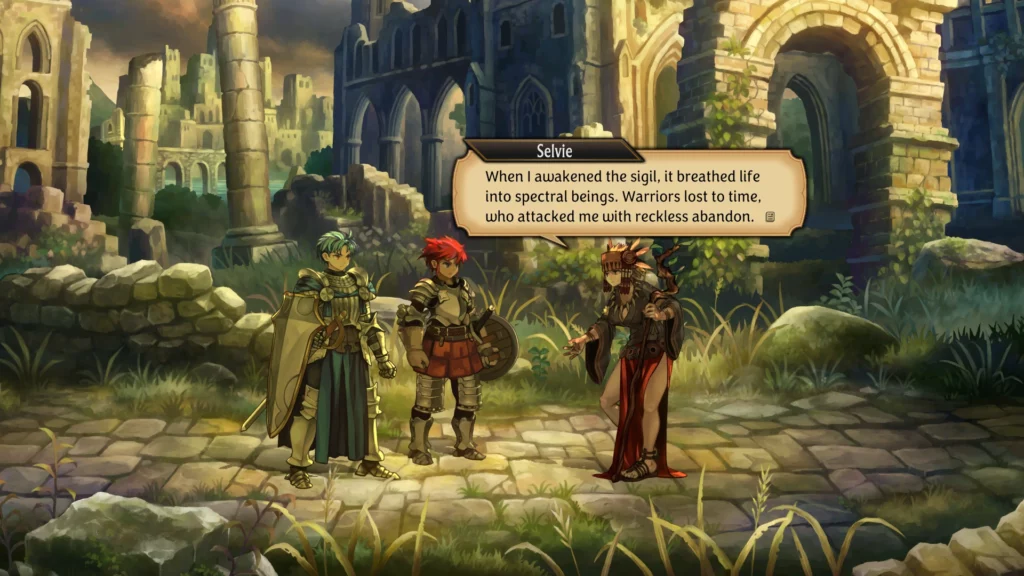
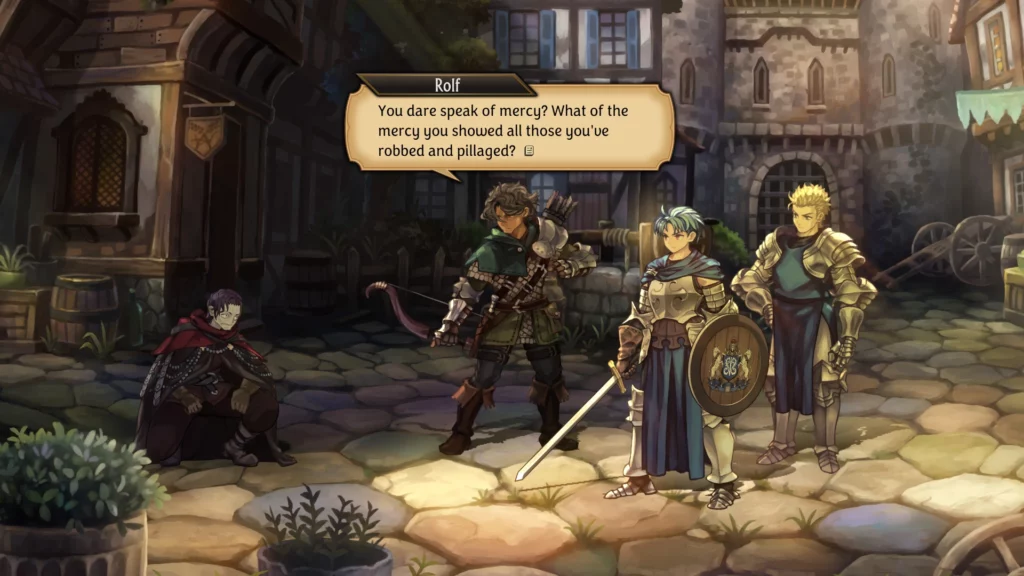

Similarly, the audio side of Unicorn Overlord is also above satisfactory. The game features a sizable soundtrack suiting everything from the emotionally driven cutscenes to the intensity of combat – and granted a few that feel a bit too ‘classic’ such as the game’s save theme. Unicorn Overlord also features full English voice acting, with what seems to be minimal, if any, overlap across the game’s very large cast of playable and non-playable characters. In many ways, it could be considered a sort of whose-who of the English video game voice acting space in 2024, especially those newer to the space who have been popping up more and more over the years – with some more familiar names in the mix as well. Overall, whether you go with the original Japanese voiceovers or the English dub, you will find the voice acting more than palatable.
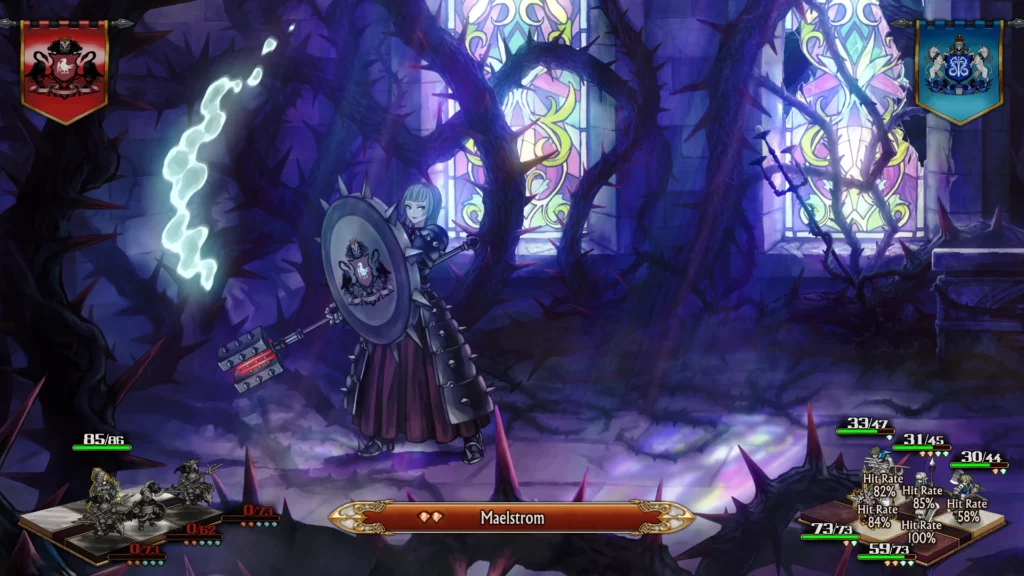
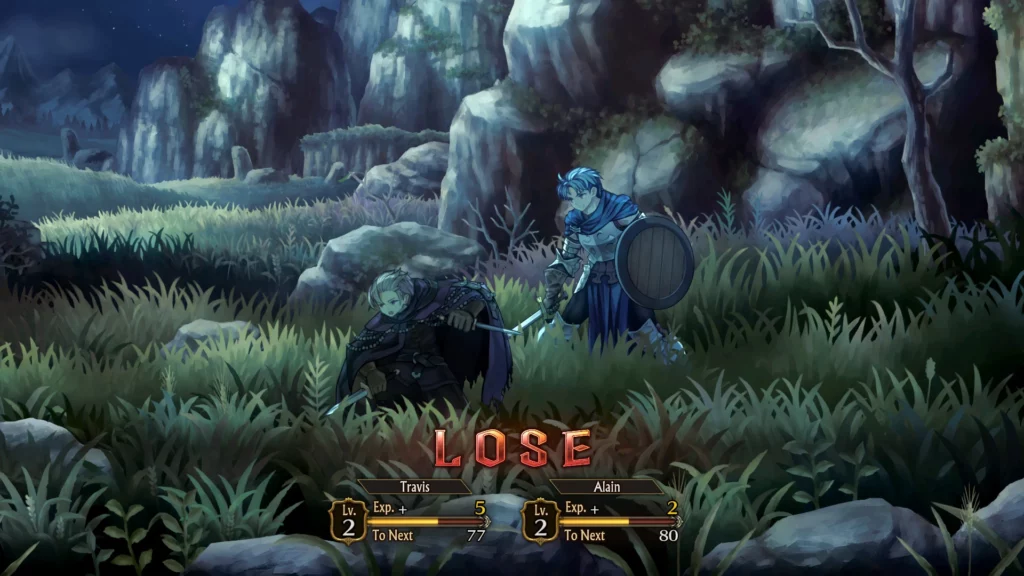
With multiple difficulty settings on offer, depending on which option you choose, I believe it will impact the type of gameplay experience you will have. Rather than directly controlling individual characters, you will form squads of characters, initially of two party members, but as the game progresses, upwards of six members each. These characters can take to the field by consuming a limited resource known as Valor, which aside from the three points you start battle with, is obtained by defeating enemies. Valour points are also usable in performing special out-of-battle ‘Valor Skills’, which have buffing, debuffing, or damage boons that can turn the tide of battle. Battles primarily take place on the overworld map, seeing you give orders to squads to move to specific locations, capture towns and landmarks for your advantage, use skills, and ultimately take down any enemy standing in your way. Direct combat, or Skirmishes, shift to the 2.5D side-scrolling environments otherwise saved for cutscenes, where you watch the fight unfold. These are hands-off encounters as you don’t give specific commands. Instead, the AI fights for you, and you will initially work off a summary of expected outcomes. The party that takes the least amount of damage wins – while the loser enjoys the penalty of being unable to move for a short period.
There is a lot of micromanagement involved in Unicorn Overlord, and I consider the difficulty setting you select as more of an indicator of how far you wish to delve into the system. At the lower difficulty settings, the game is a bit more lenient with weapon and combat requirements and instead comes down to ensuring your party composition is better suited to tackling the enemies ahead (Some character classes are better than others at dealing with other enemy types – while different leaders will grant access to different movement types – including horseback and flight), and ensuring you maintain your stamina so they are not left as a sitting duck for enemies.
At the higher difficulty settings, the requirements to have optimal squad compositions are there (both classes and positioning of them in the front and rear), balancing job classes and skills, ensuring you have the optimal weapons, armour and accessories for each member of your squad, you are more actively using Valour Skills, and arguably most importantly, you take advantage of the game’s comprehensive battle tactics system to have the auto-battle system work the way you want it to. There is an incredible amount of micromanaging you can experience in Unicorn Overlord, but at the same time, if you are a bit time-poor and just want to enjoy the core experience without needing to min/max everything, then you have that option as well.
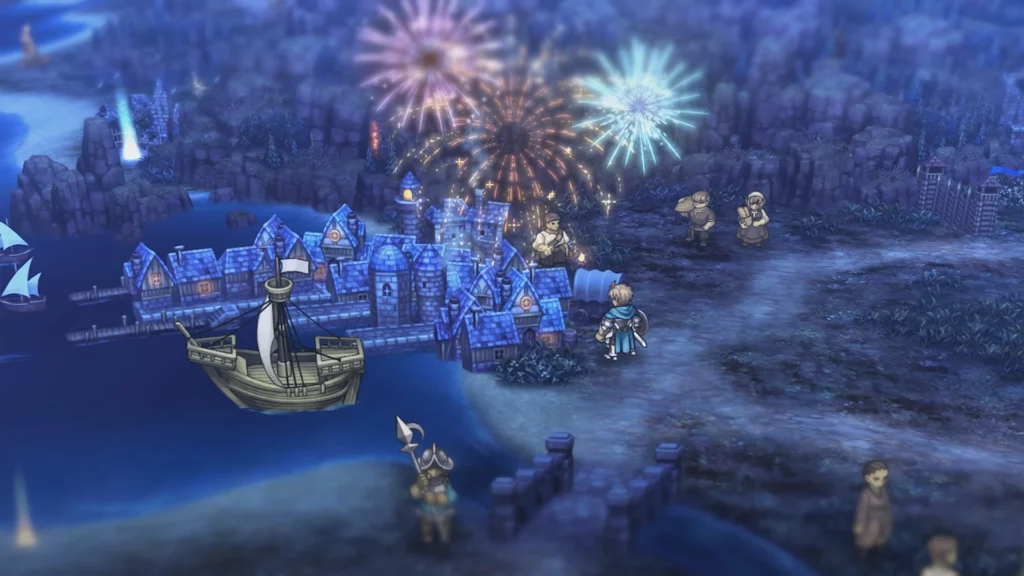
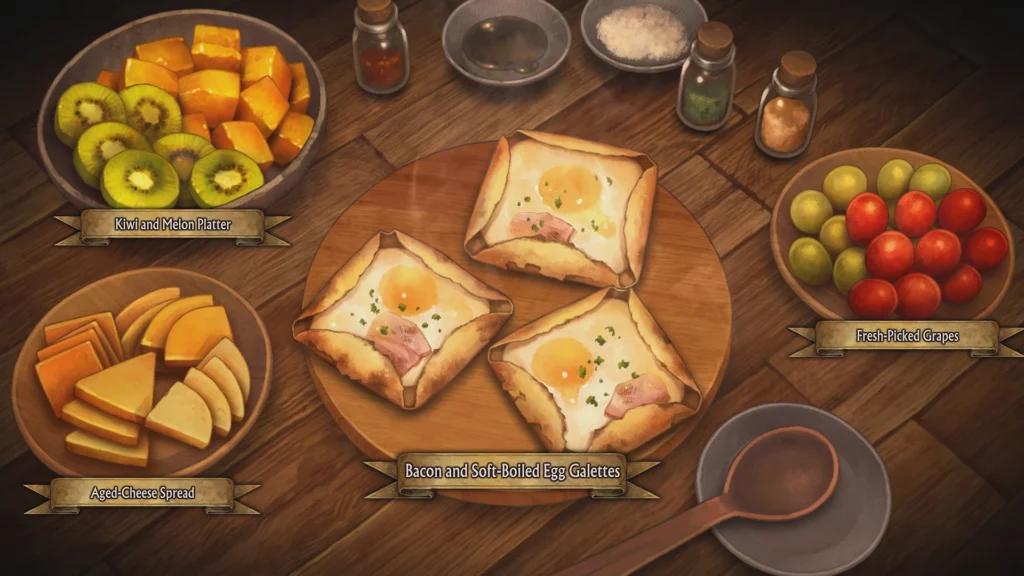
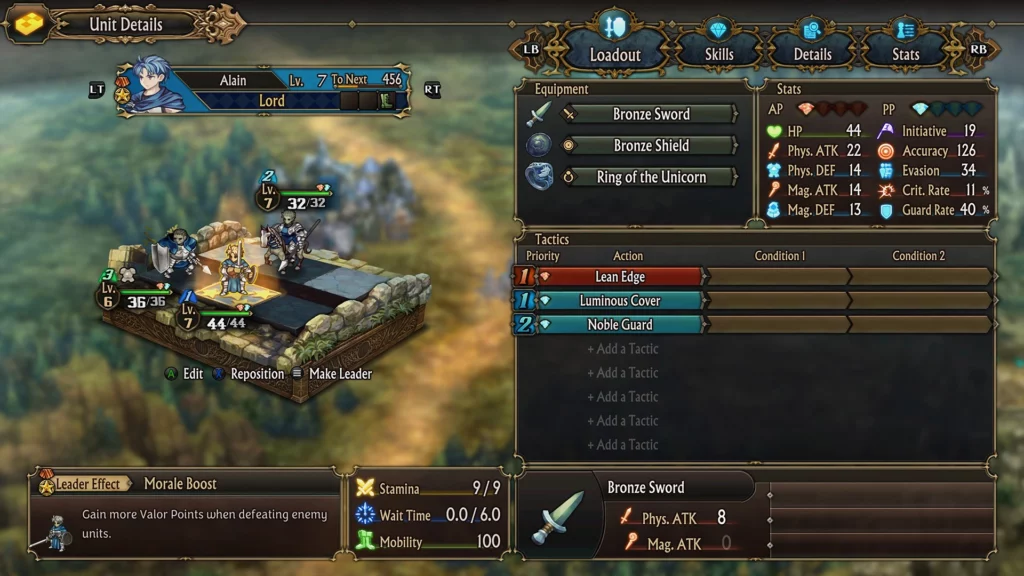
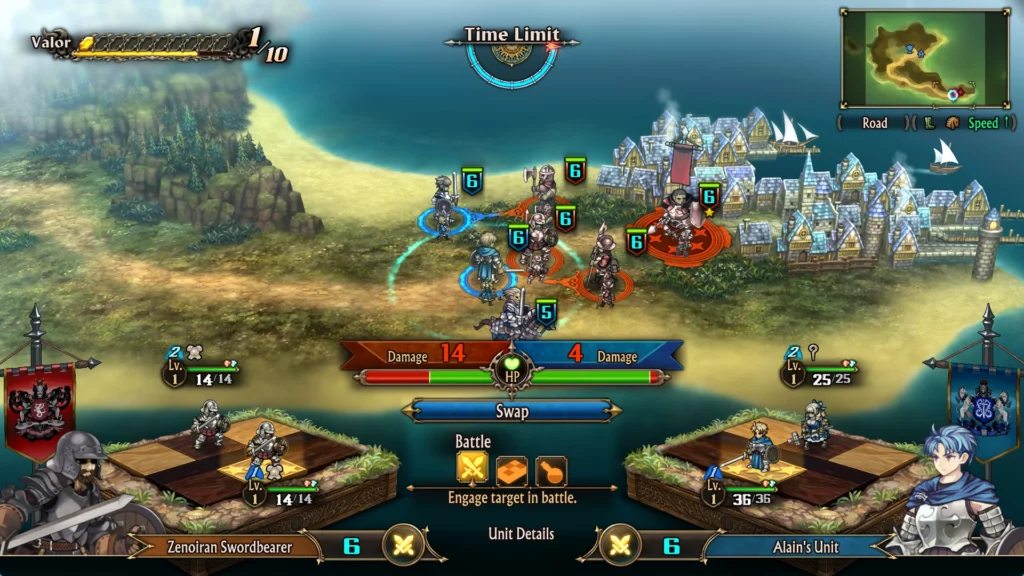
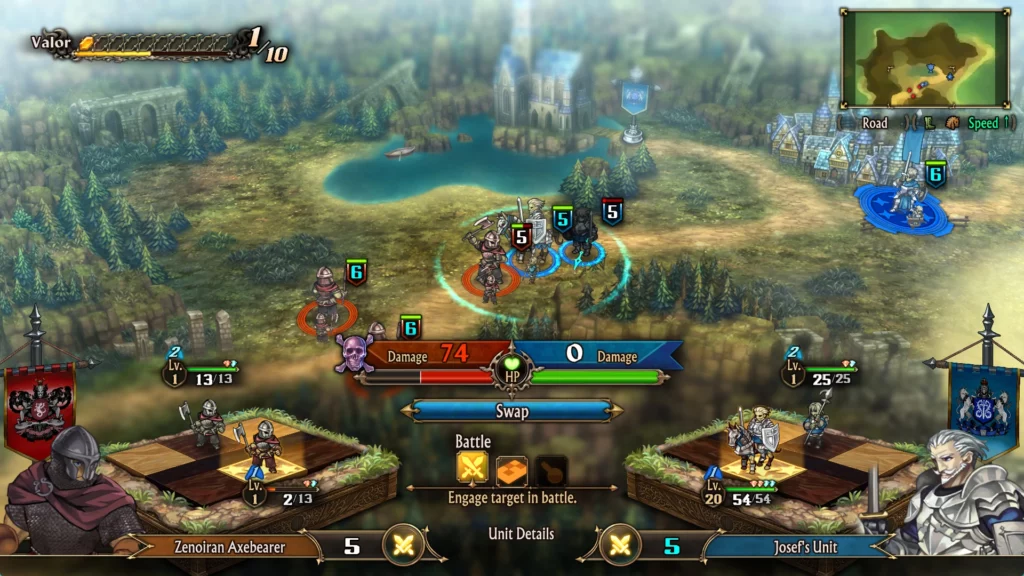
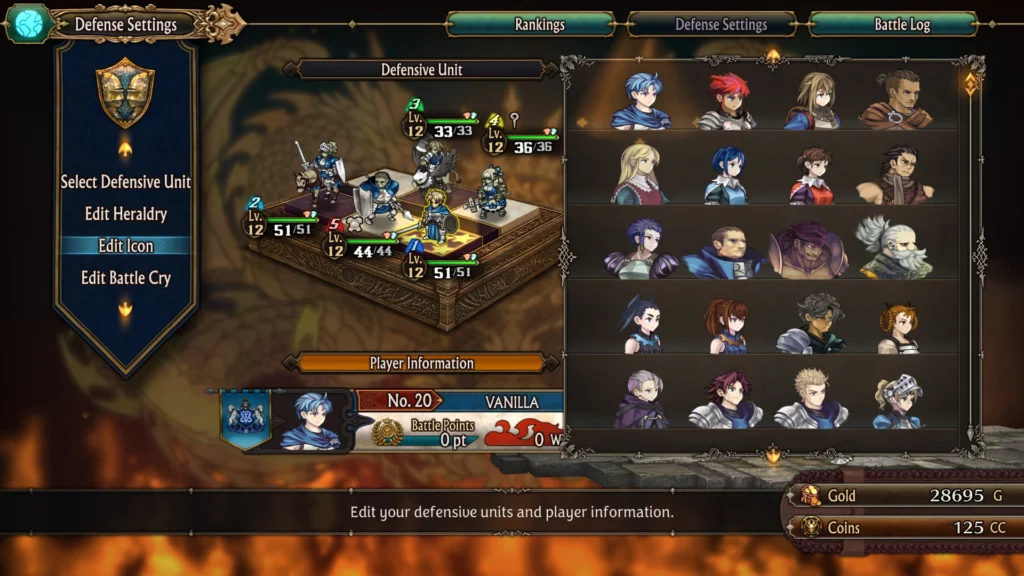
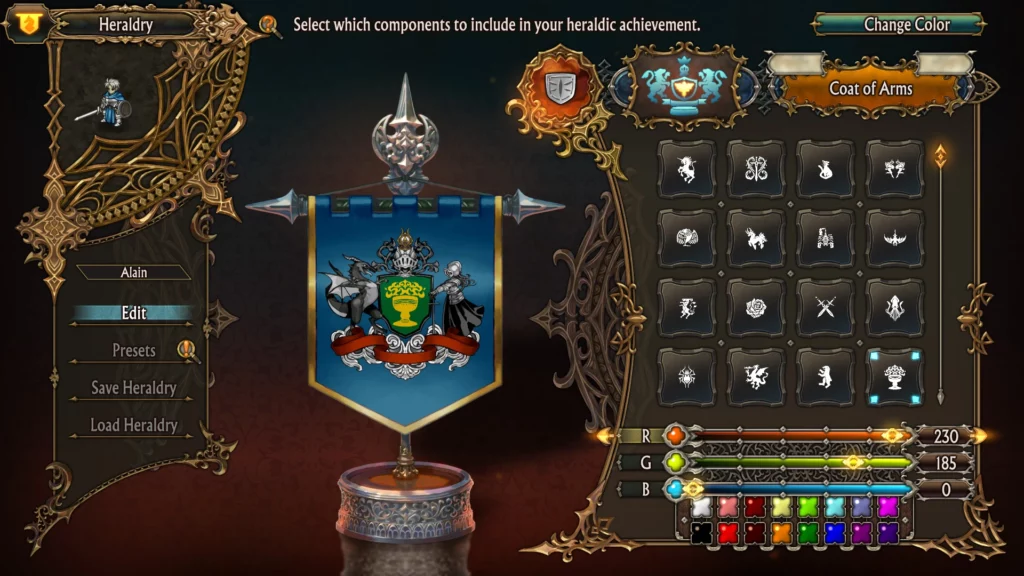
Outside of combat, players have the full overworld map to explore which will incrementally unlock as you complete the main story and travel to new regions. Across the world map are plenty of sub-quests to complete, items to collect, towns to develop and party members (both story and custom-created characters alike) to recruit. The core gameplay loop around this is fun enough, and while initially feeling like a novelty, never gets old. It ties in nicely with the idea that you, as the player, are here to liberate Fevrith, and everything you do is in aid of that. In return, you unlock the ability to buy new equipment, gain new boons as the Liberation Army’s reputation improves, and gain the valuable currency of honour to improve your squad sizes.
With more high production values and some creative tweaks to the tactical RPG formula, Vanillaware has provided another fun and immersive experience with Unicorn Overlord, which left me playing into the wee hours of the morning just wanting to tackle “just one more fight” for the umpteenth time. Half a decade of waiting has been well spent in favour of this experience, which allows you to be as in-depth or hands-off (within reason) as you want to be while also delivering ample challenge, all bundled together with interesting characters and excellent audiovisual quality. I already can’t wait for the opportunity to have some free time to dive into the game’s hardest difficulty setting, and push Unicorn Overlord’s potential for micromanagement and theory-crafting to its limits.
Final Score for Unicorn Overlord
This review was conducted on a digital Xbox Series X copy of Unicorn Overlord, provided to facilitate this review by Australian distributor Five Star Games on behalf of ATLUS West.
Unicorn Overlord is now available digitally and physically on the Nintendo Switch, PlayStation 4, PlayStation 5, Xbox One and Xbox Series X|S.
For more recent releases from Vanillaware, check out my 2023 review of GrimGrimoire OnceMore, an enhanced port of their 2007 PlayStation 2 real-time strategy game GrimGrimoire.

