

While many video games transport us to imaginative and original worlds, it’s always intriguing when developers invite us into their fictional narratives through real-world locations recreated within the medium. Like Square Enix’s The World Ends with You series, REYNATIS from FuRyu Corporation (published by Nippon Ichi Software America) takes players through the streets of Shibuya, this time with a more grounded, realistic feel. However, it introduces a unique twist, blending authority and magic—two powerful forces embodied by the protagonists. One seeks liberation from oppression, while the other strives to maintain order, creating a compelling narrative against the familiar yet magically altered setting of modern-day Shibuya.
REYNATIS is set in 2024 in Shibuya, Tokyo – where wizards, a minority who can use magic, are feared and forced to live in secrecy under the oppressive Criminal Magic Response Act. The city is under a voluntary night curfew, and tensions run high between the magic-using wizards and the general populace. Marin Kirizumi, a wizard who seeks freedom through power, sets out to become the strongest wizard to escape his oppression. On the other side, Sari Nishijima, a police officer who uses her magic to uphold justice, fights to protect Shibuya from dangerous drugs that turn people into monsters. The story unfolds as these two individuals—one fighting against suppression and the other enforcing it—clash in a battle of ideologies in a crumbling society.
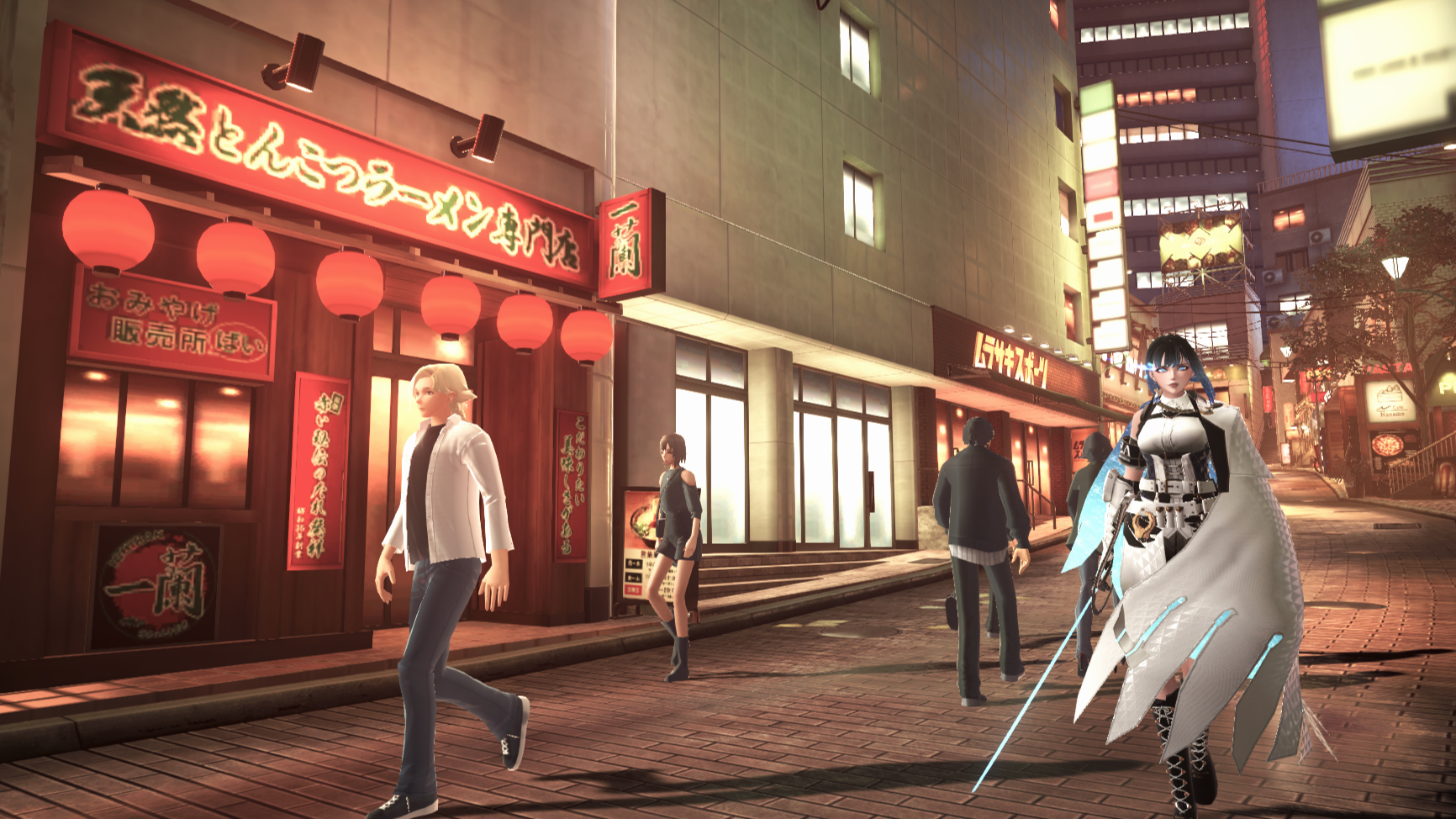
The narrative of REYNATIS shines as one of its strongest elements, presenting a compelling story of two characters on opposite sides of a societal divide in Shibuya, Tokyo. Marin Kirizumi, a marginalized wizard seeking freedom through power, and Sari Nishijima, a steadfast officer committed to upholding justice, represent the conflict between oppression and authority in a world where magic is both feared and criminalized. The game tackles complex themes like fear, power, and societal control, though its execution is hindered by rushed emotional moments and uneven pacing, which occasionally dull the impact of significant events. Nevertheless, REYNATIS delivers a thought-provoking narrative that encourages players to question the delicate balance between justice and oppression.
I have always enjoyed seeing real-world locations brought to life through the lens of a video game, and REYNATIS does a solid job of transporting players into a recognizable yet magically-infused Shibuya. However, my reception was a bit mixed. The game captures the neon-lit streets and iconic landmarks with care, offering a vibrant and familiar backdrop for the story, but it feels more like a technologically limited PlayStation 3-era experience than something truly modern. While the aesthetic is mostly on point and you can feel the energy of Shibuya, the visuals never quite live up to the potential hinted at by the game’s stunning key artwork. Dated textures and clunky animations occasionally break the immersion, and the frequent load times that divide the city into smaller zones only add to the disjointed feeling, pulling you out of the world they’ve clearly worked so hard to create.
Musically, the game benefits from the renowned talent of composer Yoko Shimomura. The soundtrack features compositions that occasionally shine, elevating the atmosphere with orchestral swells and haunting melodies. However, much of the music tends to fade into the background during gameplay, overshadowed by the clamour of combat effects. The lack of memorable themes is surprising given Shimomura’s track record, and it feels like a missed opportunity to enhance the game’s emotional and narrative beats through a more impactful musical presence. While not a bad thing by any means, NIS America has opted to forgo an English dub with this release, retaining only the original Japanese audio with English subtitles.
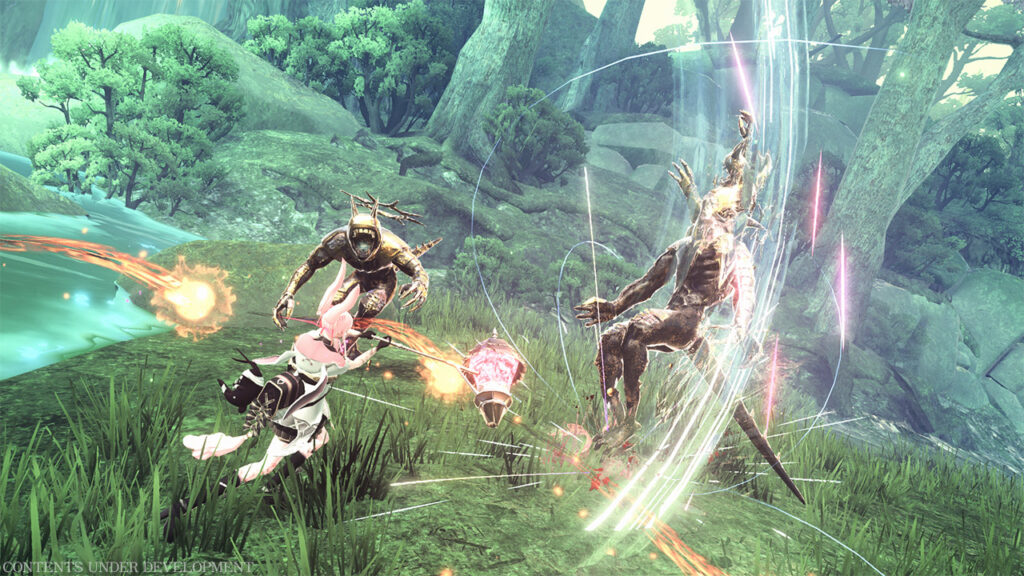
At the heart of REYNATIS is its dynamic combat system, which stands out with its use of Suppression and Liberation modes. In Suppression mode, characters restrain their magic, focusing on defence and carefully timed counterattacks. This mode also allows players to regenerate MP, setting up for a more powerful offensive when switching to Liberation mode. Liberation, in contrast, unleashes the character’s full magical potential, enabling flashy combos and skills at the cost of a draining MP bar. This dual approach adds a bit of depth to the gameplay and turns it into something more than a button-mashing experience as you work your way through the enemies you are thrown up against.
However, the execution of the combat isn’t without its flaws. While the concept adds a tactical element to combat, controls can feel a bit haphazard as if you are not always fully in control of your character’s movements. I’d also argue the combat control scheme, while a bit different from the norm, is a little bit unintuitive compared to the genre norms such as the short mini-game behind dodging/guarding, which I found made the game harder to ‘pick up and play’ after coming back to it after a few days. Furthermore, the camera can be your biggest foe in some fights – especially in the smaller streets, alleyways, and areas where you can be caught unaware, as it struggles to keep up with the faster-moving characters and navigate the limited space.
The game’s dual-protagonist system, allowing players to experience the story from the perspectives of both Sari and Marin, presents an interesting narrative premise. Unfortunately, in terms of gameplay, both characters play almost identically, which feels like a missed opportunity to diversify their combat styles. Thankfully once things get started with additional party members and abilities, things do get a wee bit more interesting, but even then, having more distinct main characters and party members inside of battle would have been welcome.
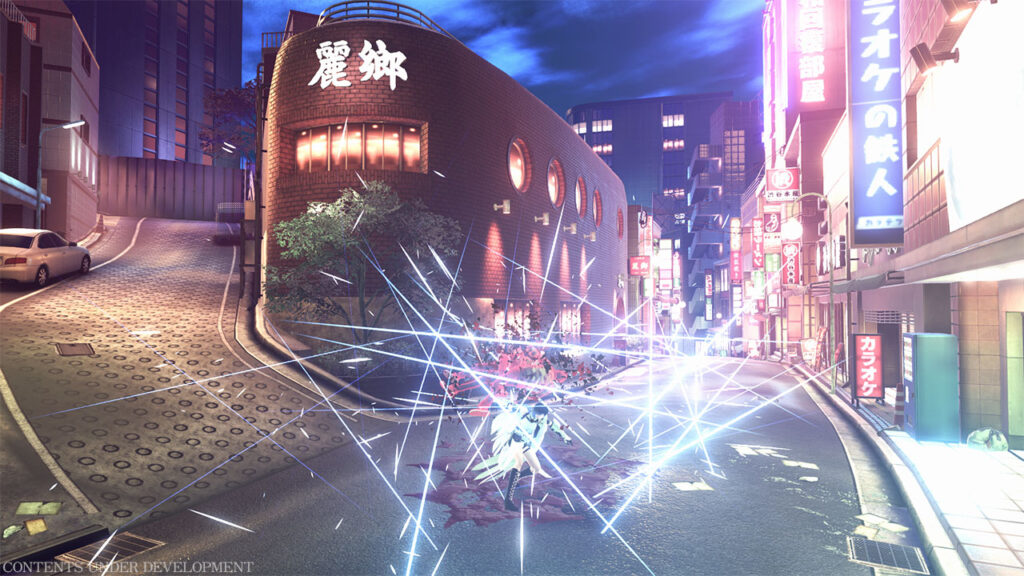
FuRyu Corporation is a development team I genuinely respect, and much like the game’s visual style, they harken back to the era of a few console generations ago when game development was as much an exploration in development as it was in the game itself. While their games don’t reach the peak of what is offered by the genre and are prone to more than a little bit of jankiness, I appreciate that their games attempt to provide unique experiences different from others on the market. While there is much to critique about REYNATIS, at the end of the day it is genuinely an enjoyable game with a good story, a solid combat system and a chic if not limited aesthetic style. If you taper your expectations and can overlook its limitations, REYNATIS has plenty to fun to offer in this 20-ish hour experience.
Final Score for REYNATIS
A digital PlayStation 5 review copy of REYNATIS was provided by Nippon Ichi Software America (NIS America) to facilitate this review.
If you would like to check out REYNATIS, the game is now available for the PlayStation 4, PlayStation 5, Nintendo Switch and PC via Steam.

