
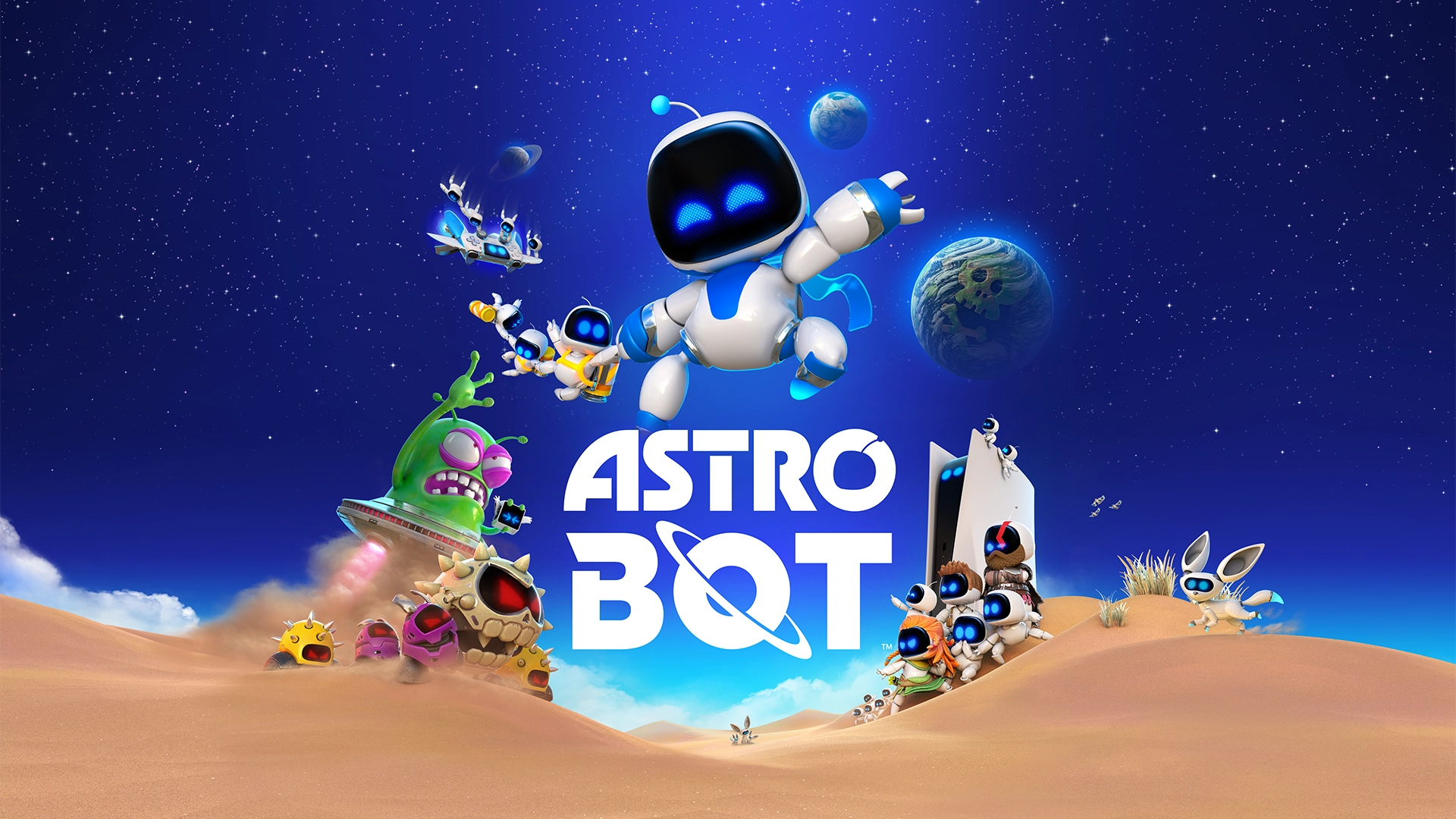
Around the same time Sony Interactive Entertainment was launching and quickly shuttering the doors to their live service project Concord, one of their other first-party studios, Team Asobi, was crafting something downright magnificent. The studio has for the past decade been focusing on developing some downright amazing public tech demos for new PlayStation hardware – starting with The Playroom in 2013 (designed to showcase the capabilities of the PlayStation Camera and DualShock 4 controller), Astro Bot Rescue Mission that introduced new purchasers of the PlayStation VR unit to the capabilities of virtual reality gaming, and 2020’s Astro’s Playroom, a free launch title for the PlayStation 5 – which similar to their inaugural work, showcased the capabilities and peripherals of the new console. Across all these glorified tech demos were commendable attempts at showcasing SIE’s new technologies and a surprising amount of depth, as well as a lovable mascot who would eventually become known as Astro. With us now in 2024, Team Asobi have finally had the opportunity to release a fully-fledged paid game – building upon the framework: Astro Bot.
Nintendo is the king when it comes to unifying their major IPs – which have defined their consoles for generations – into flagship experiences. After all, with only in-house studios, characters and a more universal art style to work with, there are many more opportunities to take their iconic characters for a few laps on go-karts, out for a game of tennis or brawling. For PlayStation, I’d hazard a guess that with the countless franchises, characters and different design approaches that have gone into the games defining their five console generations, that would be arguably a lot more difficult – not to mention the licensing of said characters. There have been a few amicable attempts previously, such as 2012’s PlayStation All-Stars Battle Royale, but these didn’t lead to anywhere. I raise this because Astro Bot genuinely feels as not just a love letter to the games that have defined the PlayStation brand throughout its extensive history, but to the iconic platformer games that were the meat of SIE’s offerings back in the day, especially with the PlayStation 2 and PlayStation 3 eras with franchises like Ratchet & Clank and Jak & Daxter.
The narrative behind Astro Bot is simple. Following the events of Astro’s Playroom – Astro and his many bot friends are peacefully flying across the universe within their PlayStation 5 console. However, they come under attack by ‘Space Bully Nebulax’, who attacks them, steals the core components of the console, and causes Astro and the remnants of their ship to crash and land on a desert planet. Equipped with just the Dual Speeder, a miniature craft based on the DualSense controller – Astro embarks on a journey across six galaxies (5 Galaxies plus a “Secret Galaxy”): rescuing all 300ish of his friends and collecting the lost system components from the clutches of the bosses of each system. There is not much more to the story than that, and in my mind that is okay. There is enough to get you from the start to the remarkably well-designed credits, with plenty of opportunities to savour the main intended experience – nostalgia.
Of the 300ish bots who can be rescued throughout each of the galaxies and levels – over 150 are designed after different first and third-party characters from iconic franchises that have defined the PlayStation consoles and brand. Much of the fun comes from going down a slightly alternate route to a level or doing one of Astro Bot’s challenge levels, and seeing what character a bot is designed off. There are some notable exceptions, such as no Square Enix game being represented despite Final Fantasy VII being an iconic PS1 title for example. Yet, there is a staggering amount of titles – modern-day hits and retro classics represented. These include, but by no means limited to Ratchet & Clank, Jak & Daxter, Uncharted, God of War, Detroit: Become Human, Horizon, The Last Guardian, Bloodborne, The Last of Us, Metal Gear, Patapon, Ape Escape, Gravity Rush, Like a Dragon, Shadow of the Colossus, Buzz! and even now-Activision owned properties such as Crash Bandicoot and Spyro the Dragon. A few of these franchises not only make appearances as bots but also have planets crafted after them – with unique gameplay styles that adapt the traditional platforming systems of Astro Bot into something more aligned with their respective franchise.
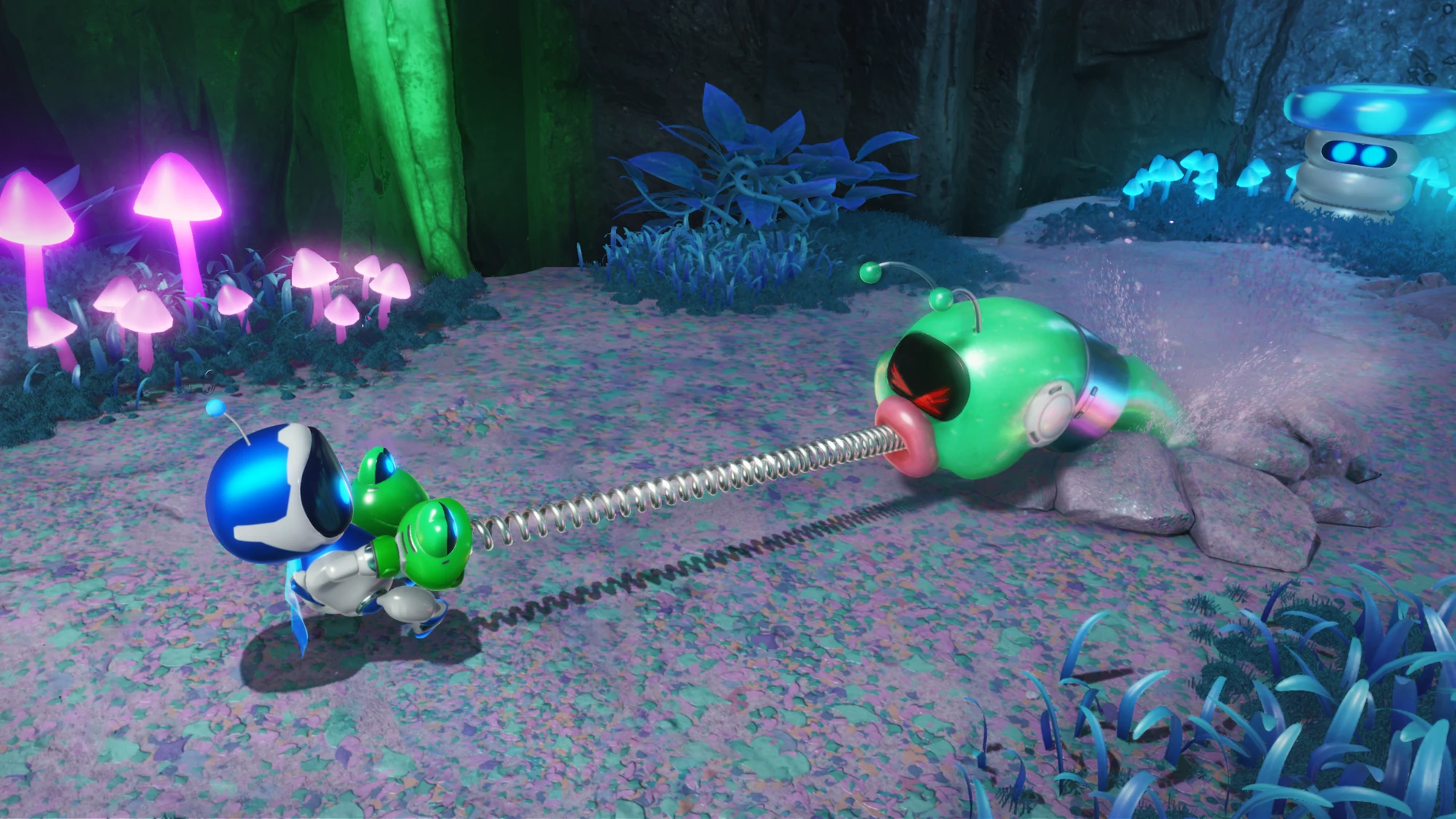
While there are a few levels themed after different PlayStation franchises, most planets players visit are more generically themed around styles, although pretty much every area is designed uniquely with minimal duplication of biomes. The levels are interestingly designed and strike a good balance between challenge and exploration. There are a few stages you are likely to struggle with past a couple of attempts, and at the same time, feature branching paths that invite players to collect each of the game’s main collectables: Bots, Puzzle Pieces (to unlock new services in the hub area), coins (for spins of the non-microtransaction “gacha” system), and Secret Exits (to unlock secret stages). There is a range of power-ups for players to use in select levels, reminiscent more of the Super Mario 3D platformers, which also offer a diverse variety of distinct options, adding diversity with how to approach each level while not overusing any of them.
To 100% complete the game, players will also be able to seek out 16 challenge levels – each usually themed around more creative uses of the power-ups and four of each representing the PlayStation controller action buttons: X, O, □ and △. Mileage may vary, but some of these stages, especially later in the game, genuinely had me almost ragequitting, particularly Splashing Sprint. Do I feel more competent as a gamer having completed this level? Yes. Did I celebrate finally completing it after what felt like the 100th loss? Yes. Was I proud of myself for completing it? Oh, yes! On the spectrum of platformer game difficulty, Astro Bot is a bit below what I would consider a ‘Normal Difficulty’, so having these challenge stages was a nice touch. Especially since the game has no health system, and outside of bosses is a case of one-hit, you’re out, you have to play these levels perfectly with little wriggle room. More levels are set to be released as part of free DLC later this year, so am excited to see what new challenges await players.
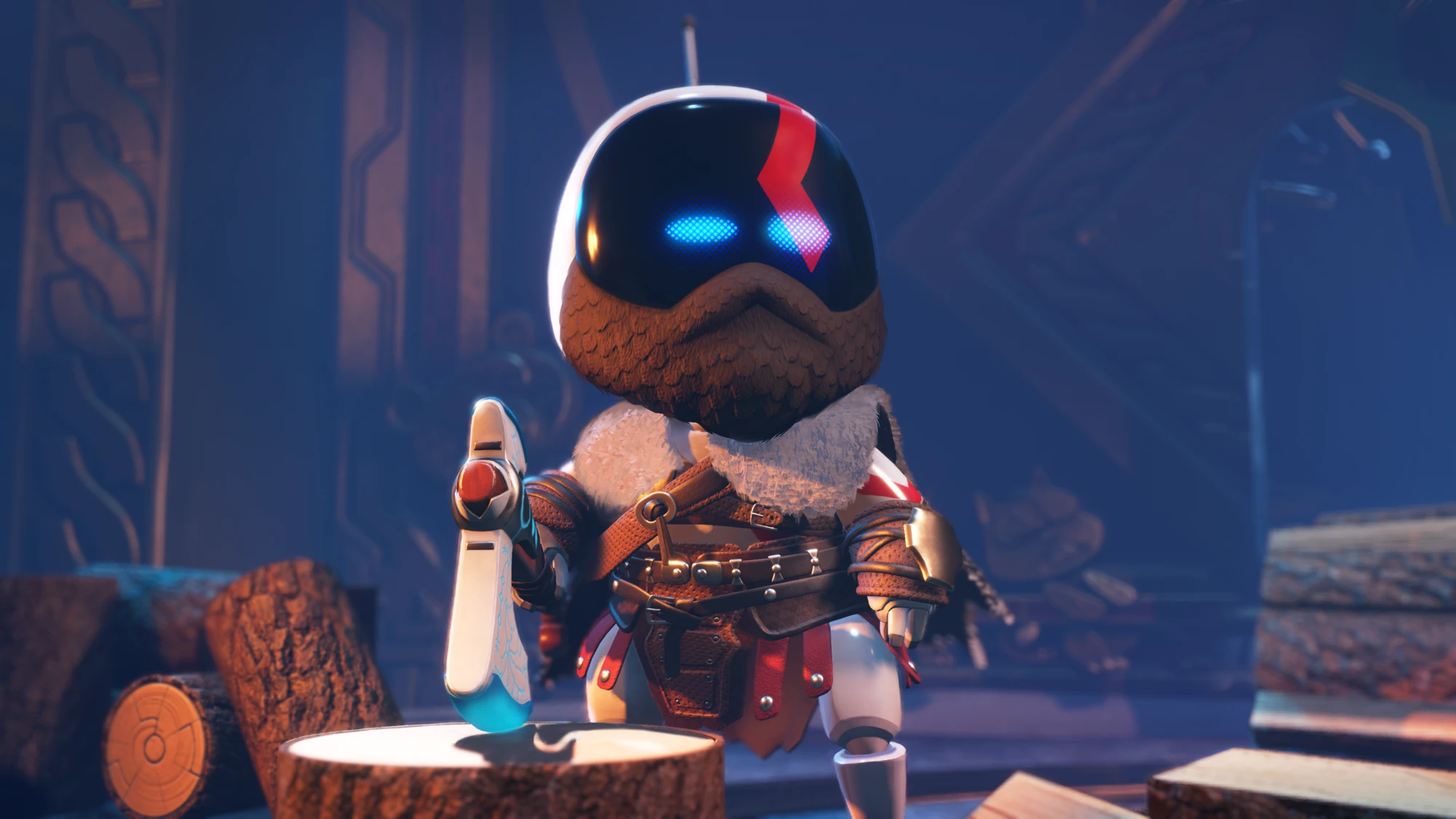
Once you have completed the main story, the end game comes down to completing your collection of bots, discovering any secret exits you may have missed, unlocking every new service on the hub planet, and facing the gacha system. With no micro-transactions and exclusively using in-game currency, players can spend 100 of their hard-earned coins on a pull of the gacha wheel. In addition to skins for Astro (including some based on iconic PlayStation characters) and Dual Speeder, each of the non-generic bots you acquire has a second form – usually a different item or equipment piece from their respective game, with some fresh animation when you interact with each upgraded bot. In addition to being required for a few trophies, it is satisfying to see what reference each of the characters makes in their animation.
I believe the highlight of Astro Bot is that while the game is no longer a ‘Tech Demo’ similar to every other instalment in the Astro Bot franchise, it still plays and handles like a tech demo. From finding creative means of utilising the DualSense controller capabilities to the extra attention to detail around animations and environment designs to bringing in a lot of that nostalgia and “awesome” moments that Astro’s Playroom was so good at – it is evident that much love and care went into the game. The music, composed by Kenneth C. M. Young, complements the game well – from the subtle mood-lifting numbers in many of the levels to the epic heavy hitters near the game’s end. Unfortunately, while Astro Bot does well in the technical department, I faced more than a handful of crashes throughout my playthrough, sending me back to the PS5 home screen. These always appeared to happen near the end of the levels, which did leave a bit of a sour taste – but nothing hopefully an update or two can’t fix.
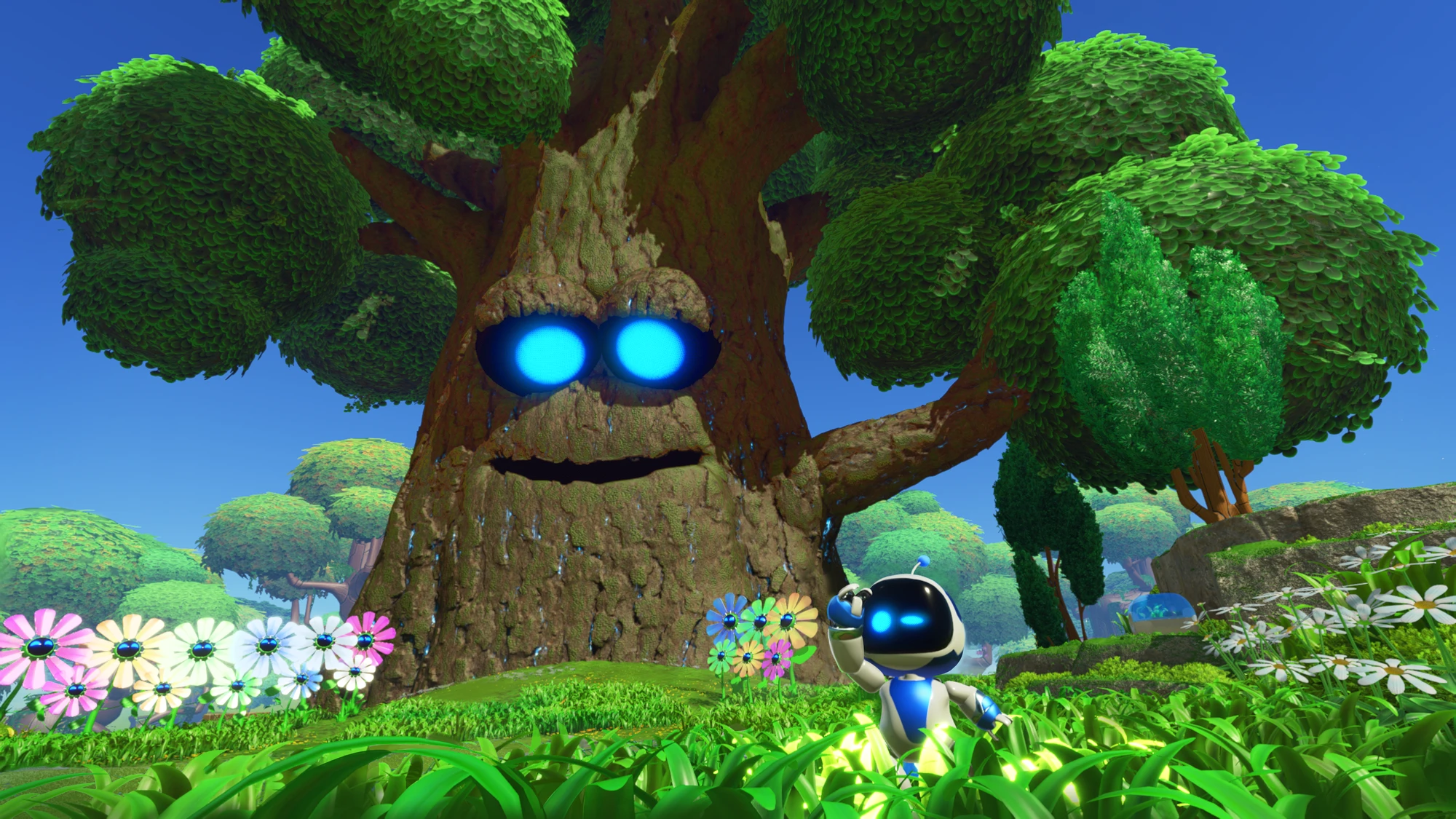
Astro Bot is a masterfully crafted homage to PlayStation’s rich gaming history, offering a platformer experience that balances nostalgia with gameplay which is not only fresh and engaging but harkens back to what I would consider PlayStation’s strongest era. While it has shed the tech demo label of its predecessors, it continues to showcase the potential of the DualSense controller and PlayStation 5 hardware in creative ways. The game’s charm, level design, and respectful nods to iconic franchises make it a worthwhile play – delivering a solid and memorable 12-15-hour experience. Team Asobi has truly outdone themselves, and I already can’t wait to see what future content they have in store for their mascot.
Final Score for Astro Bot
Astro Bot is now available exclusively on the PlayStation 5 – both via a physical release at gaming retailers, and digitally via the PlayStation Store.

